


Nagaland intensifies anti-drug efforts as leaders warn synthetic drugs, online trafficking and rising youth addiction threaten communities statewide.
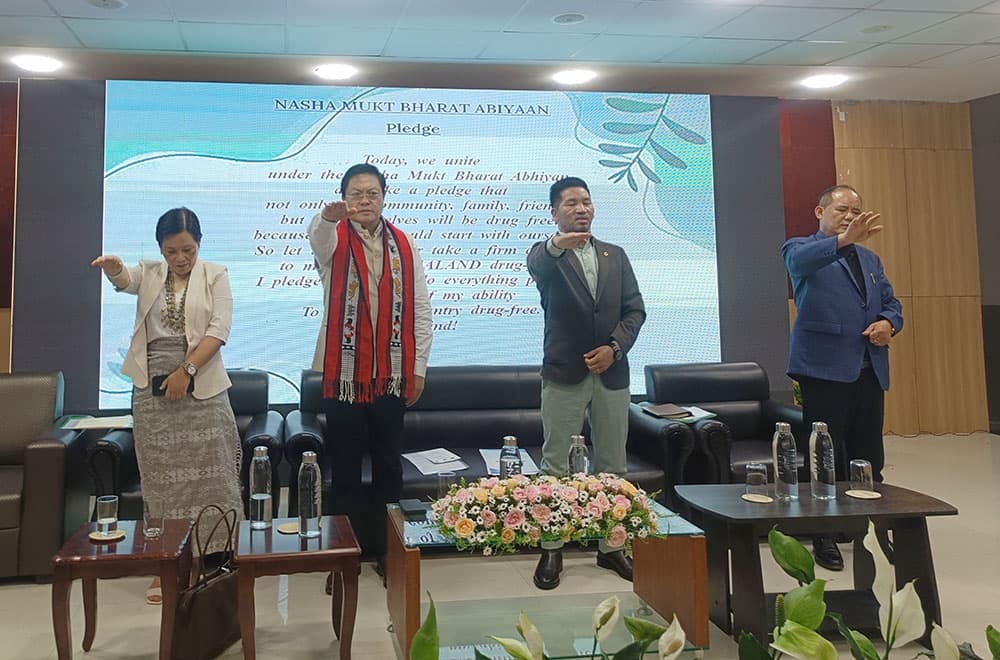
KOHIMA — Nagaland's drug problem has evolved beyond traditional narcotics into a complex network of synthetic drugs and technology-driven trafficking that reaches “right through the smartphones in our children's hands,” Advisor for Social Welfare Wangpang Konyak said on Friday, while reaffirming the state's commitment to strengthen enforcement and rehabilitation measures.
Addressing the observance of International Day Against Drug Abuse and Illicit Trafficking in Kohima, Wangpang said that drug abuse today is “not just an individual failure but a systemic threat to public health, economic productivity and regional security.”
He said that Nagaland's proximity to international border routes has made it both a vulnerable transit corridor and a destination for illicit drugs, leaving many young people trapped in substance dependence.
Referring to the Centre's Nasha Mukt Bharat Abhiyaan, he said that the government has recognised that “a punitive, law-and-order-only approach is insufficient.”
Nagaland would strengthen implementation of the Narcotic Drugs and Psychotropic Substances (NDPS) Act, tighten border monitoring and increase the number of de-addiction centres across the state, he added.
The advisor, however, stressed that the government's ‘War on Drugs’ cannot be won by law enforcement alone.
“The police can intercept a shipment at a checkpoint, and the courts can penalise a dealer, but the state cannot monitor what happens inside every closed bedroom, nor can a law patch up a broken heart or a broken home,” he said.
Calling for greater community participation, Wangpang appealed to churches and faith-based organisations to play a more proactive role in addressing addiction.
"For far too long, societal stigma has pushed the addict into isolation, treating addiction as a moral crime rather than a chronic medical illness. Addiction thrives in isolation, but it dies in the light of community," he maintained.
He also referred to recent crimes against women and children, describing them as grave violations of human dignity, and urged investigating agencies to ensure early justice in the recent cases of child abuse and sexual harassment in the state.
'Second wave' of addiction
Secretary and AHOD of Social Welfare Limawabang Jamir said that Nagaland's proximity to the Golden Triangle continues to expose the state to illicit narcotics, while many remote areas still lack adequate prevention programmes, detoxification facilities and rehabilitation services.
He added that stigma continues to force addiction "into the shadows", preventing many from seeking treatment, while young people remain vulnerable to peer pressure, misinformation and socio-economic influences.
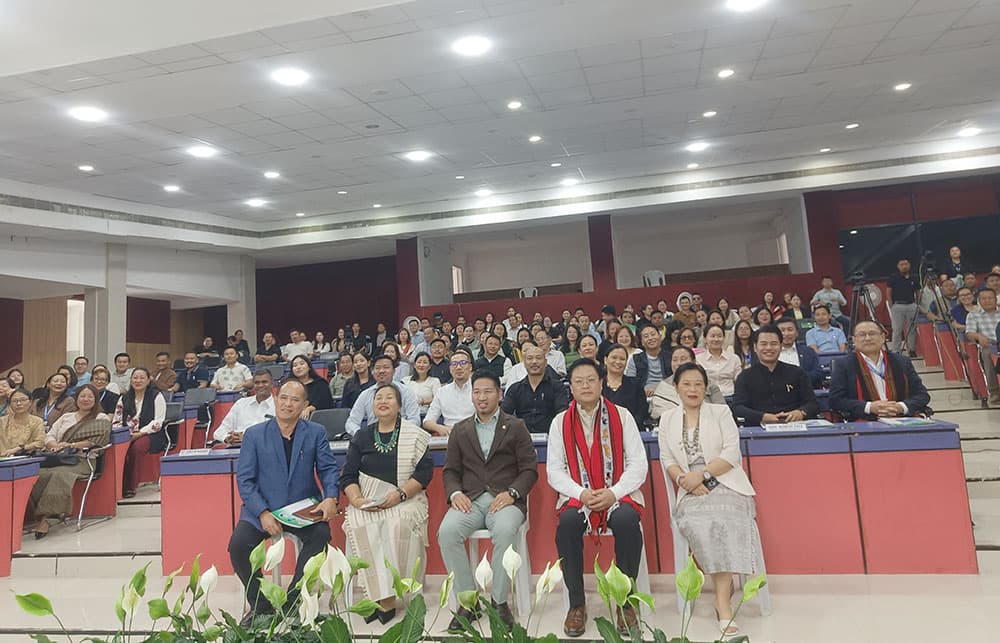
Calling for a shift in approach, he urged the society to replace "paralysing stigma with active compassion, blind punishment with strategic rehabilitation, and safe indifference with immediate action.”
Jamir also stressed that prevention must begin at the school level by equipping children with life skills, resilience and healthy coping mechanisms, while technology should be harnessed as “a weapon for good” in tackling substance abuse.
"Recovery does not end when a detox cycle finishes. Individuals overcoming addiction need concrete opportunities for skill development, specialised vocational training, employment and genuine social acceptance," he added.
To build a "Viksit Nagaland", Jamir said that faith-based organisations, traditional institutions and civil society must work together to strengthen rehabilitation and reintegration programmes.
Network of Nagaland Drugs and AIDS Organisation (NNagaDAO) president Ketho Angami said that the state is witnessing a "second wave of addiction", driven largely by the widespread use of ‘Shan Flower’ drug and other synthetic substances.
He expressed concern over the growing number of young girls taking drugs, saying the trend has become a major area of concern.
According to a study conducted by the organisation, the highest proportion of drug users falls within the 20-25 age group (42%), followed by those aged 17-20 years (31%), while cases involving children as young as 13 and 14 have also been recorded.
He described Shan Flower as an adulterated form of heroin mixed with other illegal substances to increase quantity for profit, making it cheaper but significantly more dangerous and contributing to overdose cases and deaths.
He also underlined the need for rehabilitation centres dedicated to women.
During the programme, Mima village received the Suposhit Gram Panchayat Abhiyan Award.