


Dimapur faces flood risk this monsoon due to clogged drains, encroachments and delayed funds, raising fears of a repeat of the 2025 floods.
Share


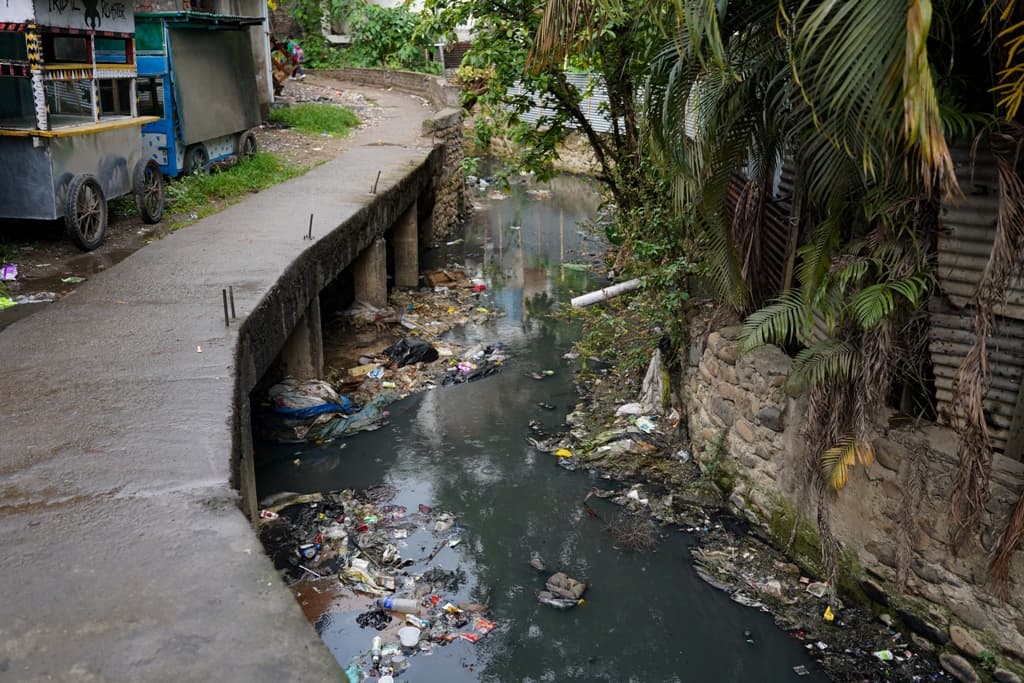
DIMAPUR — Dimapur is heading into another monsoon season with little preparedness, as clogged drains, unchecked encroachments and alleged delay in release of government funds threaten to culminate in widespread flooding across the city.
With rainfall already being recorded since April, district officials and residents warn of a repeat of the 2025 floods, which affected hundreds of families, disrupted economic activity and led to at least three deaths due to electrocution.
Civic bodies and civil society organisations have termed the crisis largely “man-made,” pointing to years of neglect, indiscriminate dumping of garbage and construction materials in drainage channels, and encroachment on natural waterways.
Dimapur Municipal Council (DMC) councillor and sanitation in-charge, Sentinuklu Jamir, said that a detailed report identifying flood-prone areas, damage assessment and required interventions was submitted in March this year.
The plan aimed to complete desilting and clearance of drains by April to prevent a repeat of last year’s situation.
Also read: After turbulent campaign, Koridang bypoll votes to be counted on May 4
However, the work could not be initiated due to non-release of funds, he claimed.
Jamir pointed out that almost all colonies in the city were affected during last year’s floods, with only a few spared, and attributed the situation to human-induced factors.
Surveys conducted on drainage systems revealed widespread encroachment and indiscriminate dumping of waste, which have severely choked the flow of water.
A joint survey carried out in March by the district administration, District Disaster Management Authority, Urban Development department, PHED, Dimapur Urban Council Chairmen Federation (DUCCF), Naga Council Dimapur, Gaon Buras and ward authorities painted a grim picture of the city’s drainage infrastructure.
The findings highlighted absence of proper engineered drains, years of accumulated silt, crumbling riverbanks, unchecked backflow from the Dhansiri river, weak culverts and heavily encroached waterways—all contributing to recurring urban flooding during the monsoon.
DUCCF president Zasivikho Zakiesato echoed similar concerns, calling Dimapur’s flooding a “man-made disaster” and stressing the urgent need for government intervention.

“Without immediate clean-up drives and infrastructure repair, Dimapur risks repeating the same cycle of destruction every year,” he said, adding that the federation is ready to assist the administration in removing encroachments and restoring blocked drains.
Residents from flood-prone colonies also expressed concern over the lack of preparedness.
Jenpu Rongmei, council secretary of Namgalong colony, said that the area has remained flood-prone for over two decades, affecting around 30 households annually.
“Even five minutes of heavy rainfall is enough to inundate our homes,” he said, adding that despite repeated inspections and meetings over the years, no lasting solution has been implemented.
He pointed out that while residents do not dump waste into drains, garbage flowing in from upstream areas continues to clog the drainage system, worsening the flooding situation.
Similarly, Alem Longkumer, chairman of Imkonglenden colony, shared that around 200 families in his area are affected every year due to obstruction of natural water flow caused by structures built along an old channel of the Dhansiri River.
“We are not prepared to face the monsoon and are waiting for the administration and the government to do the needful,” he said.
He explained that while the colony has proper drainage, the blockage caused by structures on private land prevents water from flowing freely into the river.
He suggested that constructing an additional drainage channel, with the consent of the property owners, could significantly ease the problem.
Stakeholders asserted that while immediate measures such as desilting drains, clearing debris, repairing damaged culverts and restoring waterways are critical, long-term solutions are equally necessary.
These include construction of missing drainage links, strengthening of weak infrastructure, installation of debris traps, and development of a scientific urban drainage system.
Measures such as reinforced riverbanks and flood-control mechanisms at river outfalls have also been suggested.
Unless urgent intervention is undertaken, large parts of Dimapur risk going under water once again this monsoon, with residents bracing for yet another season of disruption and loss.