


Dimapur CSOs warn land disputes and court cases could derail INR 283-crore railway station project, urge resolution to avoid loss
Share



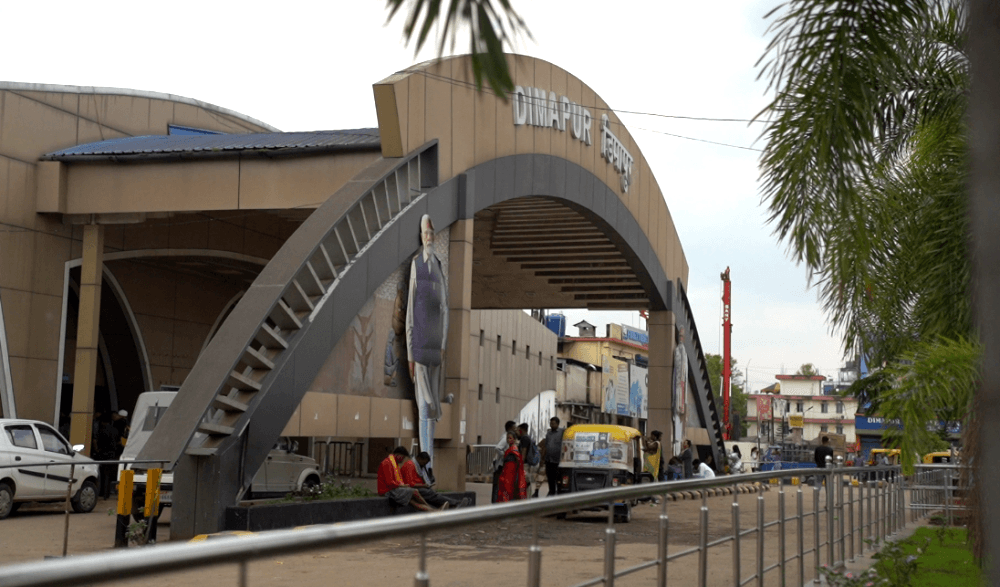
DIMAPUR — Dimapur-based civil society organisations (CSOs) on Wednesday warned that Nagaland could lose the INR 283-crore World Class Railway Station project if ongoing land disputes and court cases continue to obstruct the work, while unanimously resolving that the project must not be shifted away from Dimapur.
At a joint consultative meeting convened by Naga Council Dimapur (NCD), the CSOs also resolved that both the state government and the Northeast Frontier Railway (NFR) would be held equally responsible if the railway station modernisation project under the Amrit Bharat Station Scheme is delayed, reduced, or cancelled due to unresolved land issues.
Addressing the media after the meeting, NCD president GK Rengma said the state “needs this world-standard railway station” and stressed that the project cannot be allowed to move out of Dimapur.
He warned that any stay order arising from the ongoing court cases could halt the project entirely and eventually result in Nagaland losing the sanctioned project.
Also read: NCD convenes joint meeting on Dimapur Railway Station
Dimapur Railway Station upgradation to be completed by 2028, says NFR
According to Rengma, the first phase of the project requires 5.73 acres of land, within which 96 individuals or entities currently hold pattas and occupy the area. While construction has already begun on vacant portions within the project site, he said the occupied areas would also have to be cleared for the work to proceed smoothly.
He informed that 38 of the 96 pattadars have already filed court cases and said the NCD and other civil society organisations would meet them and appeal for cooperation in the interest of the state and future generations. “Right now, the priority is making phase 1 successful,” he said.
WATCH MORE:
Rengma also revealed that the second phase of the project already faces complications, with 109 pattas reportedly issued on land required for the proposed double-line railway track. Besides the pattadars, he said there are also several encroachers occupying railway land without documents.
Questioning how pattas came to be issued on railway land, Rengma said the railway authorities had occupied and mapped the area between 1903 and 1905, during the British period, but failed to maintain physical possession over the years.
He said the railways had existed in Dimapur long before Indian independence, Nagaland statehood and Article 371A, and maintained that the railway authorities still possess the original maps and boundary markings of the land.
At the same time, he said the NFR also shares responsibility for the present situation, alleging that it only began coordinating with the state government after the world-class station project was announced.
According to him, land revenue surveyors conducted a survey last December and submitted a report after the project came under scrutiny.
Rengma further disclosed that there are 19 temples, mosques and other shrines located within the railway station premises that may also have to be removed if the first phase proceeds as planned.
He said the NCD would hold meetings next week with non-Naga communities, religious stakeholders and the pattadars to explain the situation and avoid rumours or misunderstanding over the possible demolition or eviction of religious structures during the railway station upgradation process.
On compensation, Rengma maintained that those holding pattas are entitled to seek compensation from the government because pattas had been officially issued to them. While he said land compensation may or may not be possible, compensation for structures should be considered.
However, he clarified that it was not for the NCD or CSOs to dictate compensation terms, stating that such matters fall within the purview of the government.
Dimapur Urban Council Chairmen Federation (DUCCF) president Zasivikho Zakiesato said the issue had already been discussed in the Nagaland Legislative Assembly during its March session and noted that the state government has formed a committee on the matter.
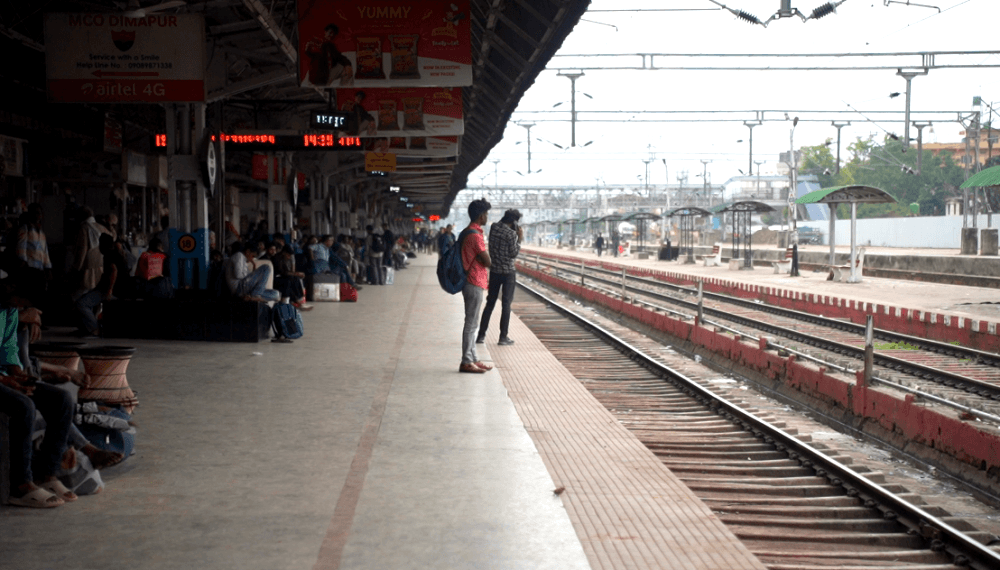
He said Wednesday’s consultative meeting authorised the NCD to lead the process of resolving the issue, with committees and sub-committees formed to engage with landowners, railway authorities and the government.
Zakiesato maintained that CSOs were working in the interest of all Dimapur citizens, including both Nagas and non-locals, and said the immediate objective was to understand the ground realities before drawing conclusions on the status of land occupants.
“Some may have inherited, bought or occupied the land over time. The immediate step is to inquire and understand the ground reality,” he added.
He also referred to concerns over illegal constructions within the railway area, including a hotel allegedly built despite a stop-work order, and said such issues would be discussed with the district administration.
At the meeting, the CSOs resolved to submit representations to the Railway Authority of India and the government of Nagaland demanding that the project be completed within the approved timeline and that all land-related disputes be settled amicably at the earliest to remove obstacles and expedite work.
The house also resolved to firmly deal with any anti-social elements or groups attempting to disrupt the ongoing construction and pledged full support under the NCD banner to ensure that the railway station modernisation project is completed on schedule.