

Nagaland’s Abdon Mech receives GQ’s Most Influential Young Indians award which was held in Mumbai on Thursday
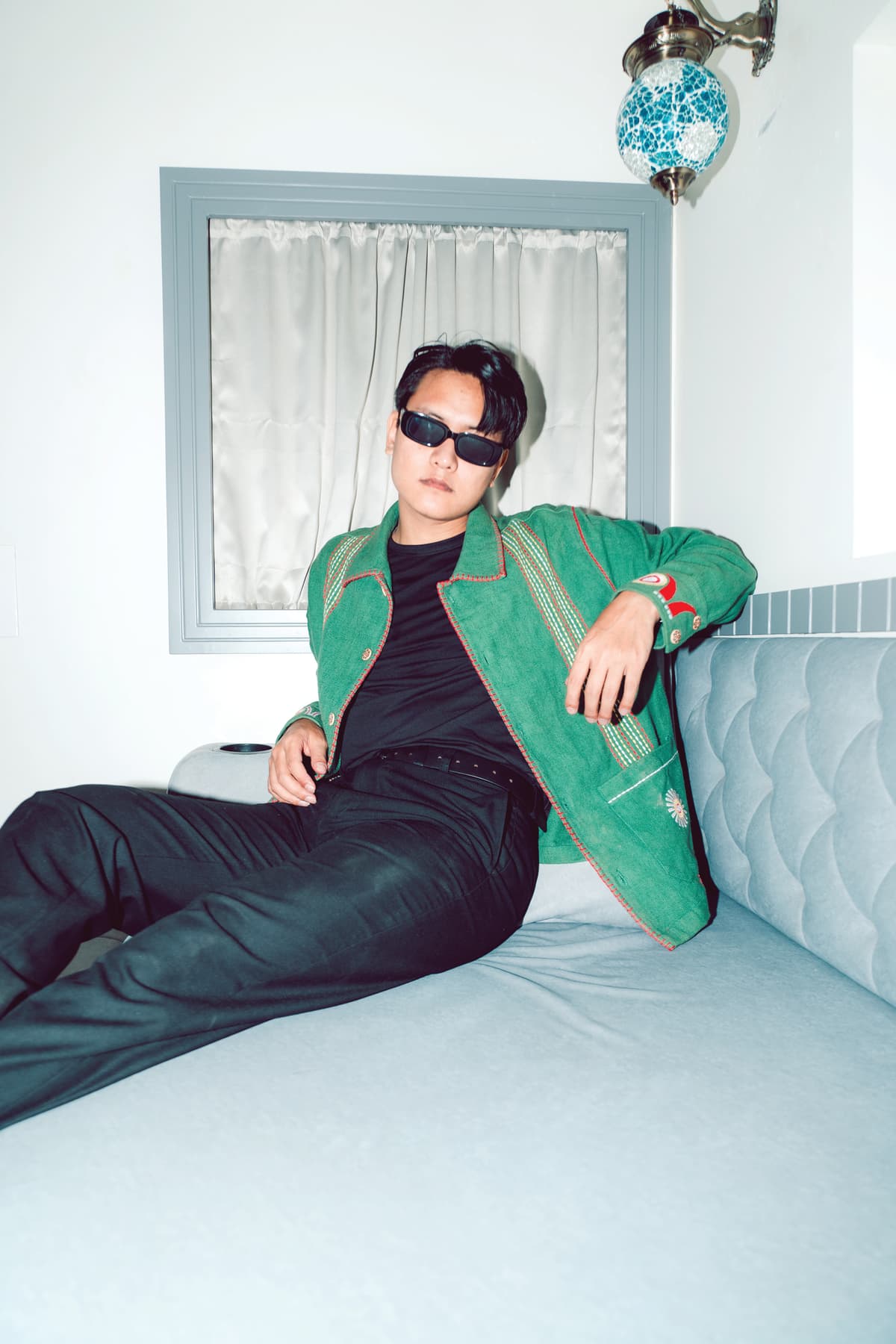
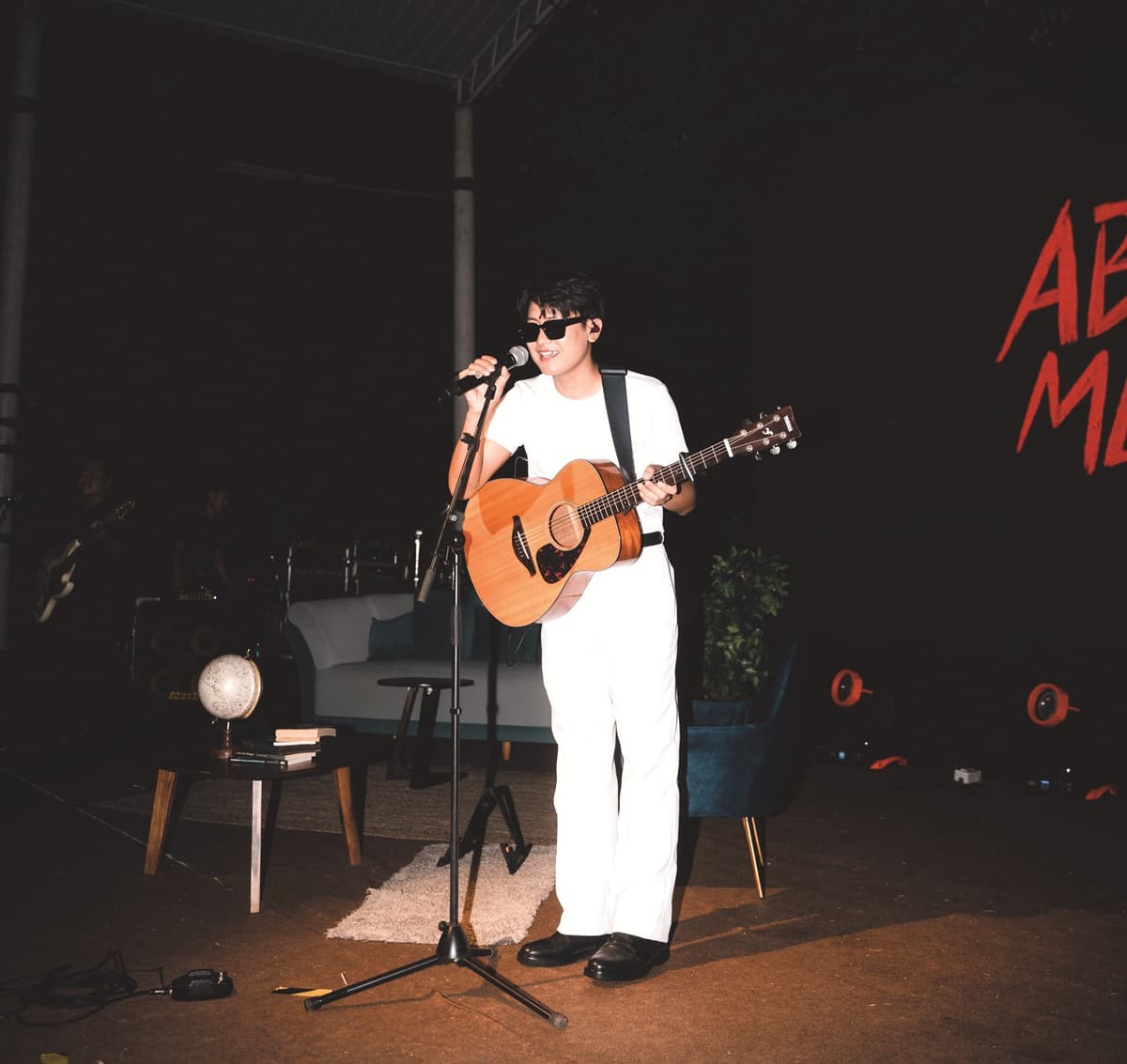
DIMAPUR — From representing India at the prestigious Artisjus Songbook Camp 2025 in Budapest, to opening for John Mayer’s debut India concert on Feb. 11 this year in Mumbai and now receiving GQ’s Most Influential Young Indians award in Mumbai on Thursday, Abdon Mech is living a dream many aspire to.
With this recognition, Mech joins the likes of Ranveer Singh, Deepika Padukone, Vira tKohli, Alia Bhatt, Samantha Ruth Prabhu, Anuv Jain and Ayushmann Khurrana. He won’t just be accepting the award but he will also take the stage to perform his 2022 release “Taking My Heart”.
For Mech, the title brings both pressure and privilege. It pushes him to stay grounded and represent his roots with integrity, not just visibility.
Also read: Dwayne Johnson: Thanks to ‘Moana’, we’ve had privilege of bringing people closer to our culture
With a pan-India audience, he is pushing for integration over representation as he feels that Northeast artistes shouldn’t be boxed into a separate category but seen as part of the same ecosystem. For him, this platform is about one thing—access.
He wants to use this moment to talk about access because talent exists everywhere, but opportunity does not.
Speaking exclusively to Eastern Mirror just before leaving for Mumbai, Mech called the moment surreal and expressed heartfelt gratitude to his community of listeners and supporters.
Eastern Mirror: Winning GQ’s Most Influential Young Indians, what does “influence” mean when you’re representing a region that’s still underrepresented?
Abdon Mech: I think influence, for me, isn’t just numbers or reach—it’s about shifting perception. When you come from a place that’s often overlooked, just being visible in national spaces changes what people think is possible. If someone somewhere in the country is discovering music from Nagaland for the first time through me, that’s wonderful for me. It’s not about being the loudest voice; it’s about opening a door that hasn’t really been open before.
Eastern Mirror: You are one of the first artistes from Nagaland on this list. Does that title feel like pressure, privilege or both?
It’s definitely both. There’s pride in it, but also a responsibility to do it right. At the same time, I don’t want to carry it like a burden—I still want to make honest music. If anything, it pushes me to stay grounded and make sure I’m representing where I come from with integrity, not just visibility.
Eastern Mirror: GQ’s list had Ranveer, Deepika, Kohli, Alia Bhatt to name a few. Now it has Abdon Mech. When did you realise the gap between those two worlds was closing? Did you even fathom this moment?
I don’t think I ever sat down and thought, “this gap is closing.” It happened gradually— people finding the music organically, through my community, my live shows. Moments like this still feel surreal because those names felt very distant growing up. I don’t think I fully fathomed it, but I always believed that if the music connected, geography wouldn’t matter forever.
Eastern Mirror: You went from Nagaland to national playlists. What’s one sound or story from home that you refuse to dilute even if industry people tell you to?
The honesty. Where I come from, music isn’t over thought—it’s emotional, direct, and human. I never want to lose that just to fit into a trend or algorithm. Even if the production evolves, that core feeling—that sense of vulnerability—has to stay.
Eastern Mirror: Your inclusion signals a broader shift. What do you think is still missing for that shift to be permanent?
Consistency. One or two breakthrough moments aren’t enough—we need sustained support, more infrastructures, and more artists from the region being heard at the same time. When it’s no longer surprising to see someone from the Northeast in these spaces, that’s when the shift becomes permanent. I think we have some incredible representation in artists like Reble, TabaChake etc. We need more to follow suit.
Eastern Mirror: How has writing in English from the Northeast shaped how the rest of India hears you—advantage or barrier?
It’s been both. English makes the music travel more easily, but sometimes it also creates distance because people expect something more “local” in a different way. For me, language is just a tool—the emotion is what really connects. If that lands, the language doesn’t matter as much.
Eastern Mirror: You’ve got pan-India listeners. If you could change one thing about how mainland India platforms Northeast talent, what would it be?
I’d want it to feel less like representation and more like integration. Artistes from the Northeast shouldn’t be a separate category—we should just be part of the same ecosystem, competing and collaborating on equal footing.
Eastern Mirror: GQ calls you influential. What do you want that influence to do in the next years for you and for kids in Nagaland picking up a guitar?
For me, it’s about building something sustainable—not just a moment, but a career. And for kids back home, I want it to make things feel possible. If someone picks up a guitar and believes they don’t have to leave who they are behind to be heard, then I’ve done well.
Eastern Mirror: You said “this moment feels bigger than me.” Who specifically back home in Nagaland do you feel carrying this win for?
First, it has to be for my amazing community of listeners and supporters. They have not only given me the privilege of making music but also been my biggest anchor and support system.
Then also, the independent scene back home—the artists, the bands, the people who’ve been creating without a spotlight for years. Also the younger kids who are just starting out. It feels like something we all share, not just something I’ve achieved alone.
Eastern Mirror: John Mayer’s India debut to GQ’s Most Influential—which moment changed your life more and which one will matter more in 10 years?
Not only seeing John Mayer live but also opening for him was probably more personal—it reminded me why I started making music in the first place. The GQ moment is bigger in terms of visibility and career. Ten years from now, I think the music will matter more than any list, but moments like this help create the space for that music to reach further.
Eastern Mirror: You’ve got national eyes now. What’s the first issue or conversation you want to use that for, even if it’s not music-related?
I’d want to talk about access—how talent exists everywhere, but opportunity doesn’t. That gap is something I’ve experienced first-hand, and it’s something that needs more attention if we want a truly diverse creative landscape.
Eastern Mirror: You’ve played small cafes and big festival stages. Which audience makes you more nervous and which makes you better?
Small rooms make me more nervous because there’s nowhere to hide—it’s very intimate. But they also make me better because you feel every reaction in real time. Big stages are a different kind of energy, more focus on performance, production, logistics. They sharpen you as a professional in the industry but the smaller ones keep you honest.
Eastern Mirror: At what point did you stop thinking “I hope people listen” and start thinking “people are listening—what do I say”?
That shift happens quietly and not just down to one moment. It’s a long journey and at some point you realize people are actually paying attention, and it makes you more intentional. But I still try to hold on to that earlier mindset—because that’s where the most honest music comes from. And that’s who I am 'both as an artiste and a person.'