


Researchers from Nagaland University discover a new plant species during systematic field surveys in Khezhakeno village.
Share


-1768049015778.jpeg&w=1200&q=75)
DIMAPUR — Researchers from Nagaland University, Vieneite-o Koza and co-researcher Joynath Pegu, led by Dr. Gyati Yam, discovered a new plant species during systematic field surveys conducted between 2023 and 2025 in the Kavünhou Community Reserved Forest, Khezhakeno village in Phek district.
In an update, the university stated that the research was supported by Nagaland University through the Start-Up Project for Young Faculty (SUPYF) and has been published in the renowned international scientific journal Kew Bulletin.
Also read: Minister Jacob urges Sumi students to embrace heritage
The discovery emerged from botanical exploration in the high-altitude forests of Phek district and led to the identification of a new species, Hoya nagaensis (Apocynaceae: Asclepiadoideae), further highlighting Nagaland’s significance as a biodiversity hotspot in Northeast India.
The specific epithet “nagaensis” is derived from “Nagaland,” the state where the species was discovered, and honours both the cultural heritage of the Naga community and the ecological importance of its forest ecosystems.
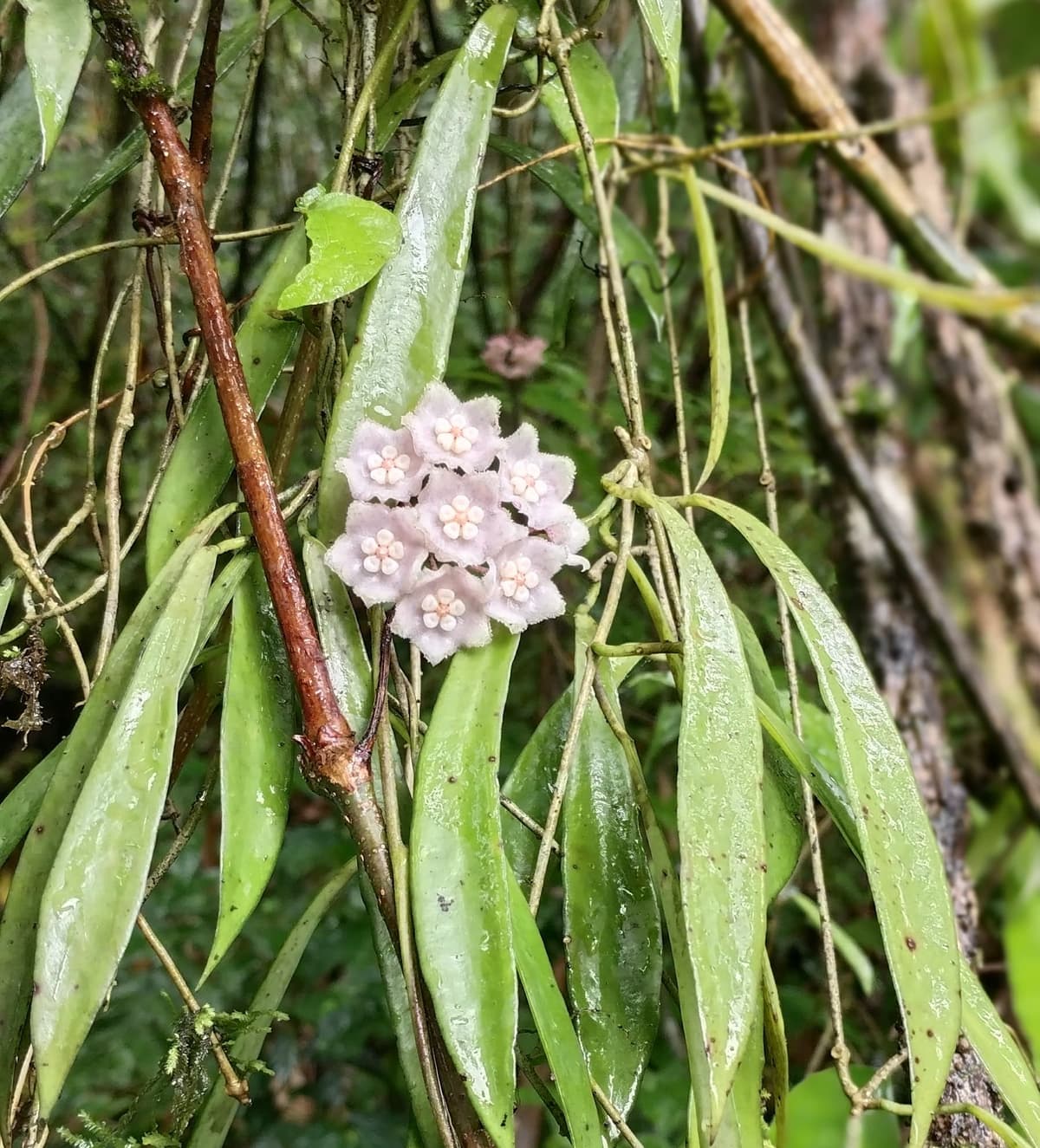
“The discovery highlights the conservation significance of community-protected forests in Nagaland and the need for continued botanical exploration and habitat-based conservation,” the update stated.
“The formal description of Hoya nagaensis strengthens the taxonomy of the genus and underscores Nagaland’s importance as a centre of under-documented plant diversity in Northeast India.”