


Cloud kitchens in Nagaland are reshaping food culture, creating jobs and opening new avenues for local entrepreneurs.
Tsümon Khiamniungan
DIMAPUR — Nagaland is witnessing a rapidly growing cloud kitchen culture, a trend accelerated by the Covid-19 pandemic.
As lockdowns shut down dine-in restaurants, doorstep food delivery became the preferred option for many consumers.
For aspiring entrepreneurs, cloud kitchens have also lowered the cost of entering the food business by eliminating the need for expensive storefronts.
In Longleng district, the trend has taken shape through Flavours Rush, a family-run venture and the district's first cloud kitchen. With the vision of bringing "delicious, hygienic and convenient food" to residents, the business offers takeaway and home delivery, introducing a modern dining alternative in the district.
"The name 'Flavours Rush' reflects our commitment to providing a wide range of tasty dishes and the excitement of enjoying fresh food whenever cravings strike," Champen Phom, who runs the kitchen with her family, told Eastern Mirror.
Registered with the Food Safety and Standards Authority of India (FSSAI), Flavours Rush follows strict food safety and hygiene standards. Phom said the idea emerged after noticing many residents travelled to Kohima or Dimapur simply to enjoy seafood.
The family decided to fill that gap by introducing signature seafood buckets alongside fried chicken, fast food and refreshments.
Also read: Small beginnings, big dreams drive Mehi Bakes forward
Despite operating without a physical outlet, the business has built a loyal customer base through WhatsApp orders.
Running a cloud kitchen in Longleng, however, comes with unique challenges. Poor road conditions often delay deliveries, while prolonged power cuts during the monsoon make it difficult to preserve ingredients. Most supplies are sourced from Dimapur, with Phom's siblings travelling overnight by bus to restock. When key spices are unavailable locally, the family turns to e-commerce platforms.
With neither Swiggy nor Zomato operating in the district, deliveries are handled by a single delivery worker on foot. Despite these hurdles, Phom remains optimistic.
"No matter what one orders, we put in all our effort to satisfy customers," she said, adding that positive feedback from regular customers motivates the family to continue.
She hopes to employ more local youth as the business expands, allowing work to be shared more efficiently.
"Longleng may be small, but there are plenty of opportunities for young people," she said, encouraging them to look beyond government jobs and create opportunities through entrepreneurship.
In Dimapur, Asoba Kichu, founder of the cloud kitchen Alboe, has witnessed a similar shift in consumer behaviour.
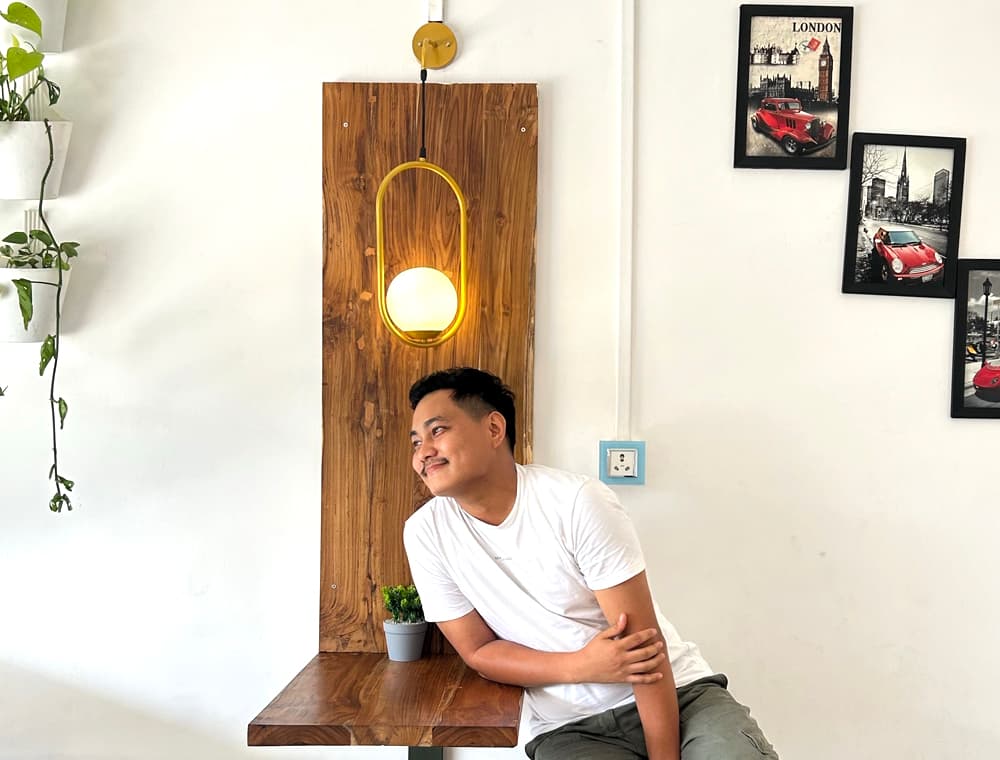
Launched earlier this year with the tagline "From my kitchen to you", the business primarily caters to working professionals seeking convenient meal options.
Kichu said choosing a cloud kitchen over a traditional restaurant came down to affordability.
"Skipping the heavy investments in rent, interiors and front-of-house staff allowed me to launch with minimal risk. It gave me the freedom to focus on cooking great food and building my audience through social media," he said.
He described the flexibility of the model as one of its biggest advantages, allowing him to experiment with new dishes without significant financial pressure. Building customer trust, however, remains a challenge.
"When customers cannot see your kitchen, earning their confidence takes time. You're also entirely dependent on delivery. If an order is delayed or damaged, your brand takes the hit."
Read exclusive: Aketoli Zhimomi cooks up history with NDTV Food Award
Kichu said online platforms and digital payment systems have transformed the way cloud kitchens operate by simplifying order management, customer engagement and promotions.
"Online platforms help us reach more customers, while digital payments make transactions secure and convenient," he said.
Orders are received through social media and messaging apps before being prepared fresh and dispatched through a delivery worker. Customer feedback and complaints are addressed directly through phone calls and online platforms.
According to Kichu, demand for cloud kitchens has grown significantly in recent years, particularly among students and young professionals.
As more people become comfortable ordering food online, expectations regarding speed, packaging and menu variety have also increased.
"Food quality and hygiene are non-negotiable. If those fail, customers won't return," he said, adding that consistency, attractive packaging and reasonable pricing are key to retaining customers.
He believes cloud kitchens have lowered the barriers for aspiring entrepreneurs.
"You don't need a massive bank loan to start anymore. Home cooks, women and young people can test recipes from their own kitchens, build a brand and grow at their own pace."
Kichu also challenged the perception that cloud kitchens offer inferior food.
"Many people assume that having no storefront means lower quality, but many cloud kitchens maintain hygiene and food standards that rival, or even surpass, traditional restaurants."
He called for better delivery infrastructure, simplified licensing for home-based food businesses and easier access to small business loans.
"Greater community support for local, home-grown food brands would go a long way," he said.
Beyond Nagaland, Chuba Jamir, founder of Mumbai-based cloud kitchen Naga Chukka, believes cloud kitchens have permanently changed eating habits while complementing, rather than replacing, traditional restaurants.
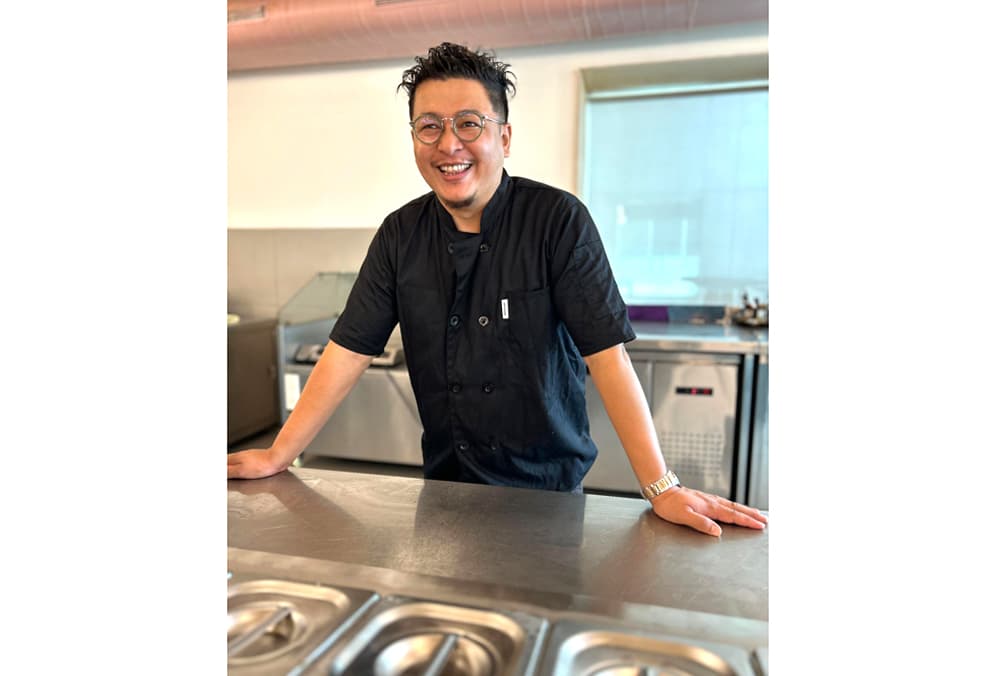
Jamir said the popularity of cloud kitchens has surged after the pandemic, with social media playing a vital role in their growth.
Missing homemade Naga food after moving to Mumbai inspired him to establish Naga Chukka, introducing authentic Naga cuisine to a wider audience.
"Our cuisine deserves to be discovered by more people," he said.
Having worked at the Taj after moving to Mumbai eight years ago, Jamir credits the experience with inspiring him to pursue his culinary ambitions.
His passion for Naga cuisine, however, dates back to childhood, when he learned traditional cooking from his mother and grandmother.
"Cloud kitchens allow chefs to experiment with menus, focus on fewer dishes and ensure freshness and depth of flavour," he said. "Restaurants will always have a place for social dining, but cloud kitchens offer flexibility."
His bestselling dishes include smoked preparations made with anishi, axone, bamboo shoot and black sesame, accompanied by king chilli chutney and rosep. While he stays true to traditional recipes, he adjusts spice levels to suit customers when requested.
His clientele includes members of the Northeast diaspora, mainland Indians and travellers familiar with the region.
Asked about the biggest challenge, Jamir pointed to Mumbai's high commercial rents and the difficulty of sourcing authentic Naga ingredients.
"Unlike Delhi or Kolkata, Mumbai has fewer options for Northeast ingredients. Finding the right ingredients sometimes feels like searching for gold," he said.
He relies on family members in Nagaland to source ingredients and hopes more Northeast restaurants will emerge in Mumbai to introduce the region's cuisine to a broader audience.
Meanwhile, Linovo Z. Sumi, who runs Iza's Kitchen in Dimapur, said financial constraints led her to adopt a home-based delivery model instead of opening a restaurant.
"A physical outlet requires substantial investment, so operating from home is more practical for me," she said.
The biggest advantage, she explained, is being able to focus solely on food preparation, while the greatest challenge is earning customer trust without a visible physical presence.
Social media has helped bridge that gap.
"Everyone is on social media, making it easier to reach customers," she said, adding that she personally manages orders, deliveries and customer interactions.
Sumi has also observed a sharp increase in demand for cloud kitchens over the past few years, which has encouraged more entrepreneurs across Nagaland to enter the business.
The writer is a B.A. History student at Patkai Christian College (Autonomous) and an intern at Eastern Mirror.