


A standard camera shows visible detail. A thermal camera adds temperature meaning. In furnace work, that difference matters.
Share


Inside a furnace, one wrong reading can turn into a long shutdown. A burner drifts. A refractory patch starts wearing unevenly. Flame shape changes. Material build-up grows where no one can see it from the outside. Operators feel the risk first, long before a report catches up.
That is why a furnace thermal camera has moved from a nice upgrade to a serious plant tool. It gives teams a live view inside extreme heat. It shows thermal patterns, flame behaviour, hot zones, cooler patches, and process changes without forcing anyone near the danger zone.
Tempsens works in this space with furnace monitoring cameras built for high-temperature industrial areas. The idea is direct: give operators eyes inside the furnace, then help them act faster.
A standard camera shows visible detail. A thermal camera adds temperature meaning. In furnace work, that difference matters.
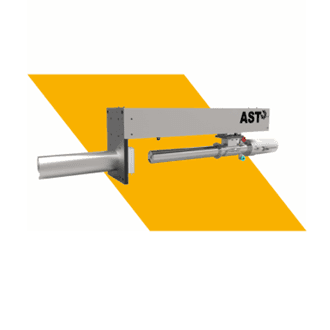
Operators can track flame shape, material movement, temperature spread, and abnormal hot zones from a safer distance. In systems built for high-temperature work, the camera head, lens, cooling hardware, software, and control panel work together. The camera does not sit there like a shop-floor CCTV unit. It survives heat, dust, flame radiation, and harsh process conditions.
Tempsens furnace thermal camera systems include options built around infrared or visible thermal imaging. Some systems use special pinhole lenses, stainless steel probes, and air or water cooling. This hardware choice matters. A furnace does not forgive weak design.
Here’s the thing: furnace teams do not need more data for the sake of data. They need usable information at the right second.
Real-time imaging helps teams spot hot spots, thermal gradients, flame imbalance, poor fuel mixing, and abnormal build-up. Once an operator sees the change, action can start sooner. The team can adjust fuel, inspect the burner pattern, review material flow, or plan maintenance with better timing.
This can support safety, too. Fewer close-range checks mean less exposure near extreme heat. That matters on cement lines, steel reheating furnaces, glass furnaces, boilers, and other high-temperature processes.
Tempsens does not treat furnace monitoring as one product for every job. Its range covers different furnace types and viewing needs.
The TE Series is built as a visible thermal imaging furnace monitoring system. It is used for harsh furnace areas and carries a temperature measurement range from 700°C to 1800°C.
The FMC Series is designed for real-time furnace monitoring. Its listed temperature range runs from 700°C to 1800°C and from 1000°C to 2500°C, based on configuration.
The TFV Series focuses on live video inside high-temperature furnaces. It uses a special HD camera, a precision pinhole lens, a stainless steel probe, and air and water cooling hardware.
The G Series is aimed at glass-melting furnace environments. Glass plants need a clear view of heat behaviour, furnace condition, and process activity across long operating cycles.
Each system answers a different plant need. That is the right way to think about furnace imaging. The camera must match the furnace, not the other way round.
Cement plants need better visibility inside kilns and high-heat zones. Steel plants need to watch flame behaviour and heat distribution in reheating furnaces. Glass plants need stable viewing in melting furnaces. Boiler teams need to monitor flame, slag build-up, and tube-area conditions.
A furnace thermal camera helps in all these areas, but the value is not only in the picture. The value sits in earlier judgment.
A hot spot found early can guide maintenance. A flame issue seen early can protect fuel control. Uneven heat seen early can prevent quality drift. One clear image at the right moment can save hours of debate.
A strong furnace monitoring setup reduces blind spots. Operators spend less time near inspection ports. Engineers get visual proof before planning work. Maintenance teams can separate urgent issues from normal process variation.
That matters in plants where every shutdown carries a cost. Better timing protects uptime. Better visibility protects people. Better records protect decision-making after the event.
Thermal camera software adds another layer through trends, alarms, snapshots, and reporting. Teams can compare current patterns with past furnace behaviour. That helps during audits, fault review, and process tuning.
A furnace thermal camera gives operators something they have always needed: a safer, clearer view inside the hottest part of the process.
Tempsens builds its furnace monitoring camera range around that need. TE, FMC, TFV, and G Series systems give plants different ways to see heat, flame, material behaviour, and furnace condition in real time.
The result is simple. Less guesswork. Faster action. Better protection for people, equipment, and production.