

Rongsen Jamir shares his journey from disability survivor to advocate, championing accessibility, dignity and equal opportunities for Nagaland's PwDs.
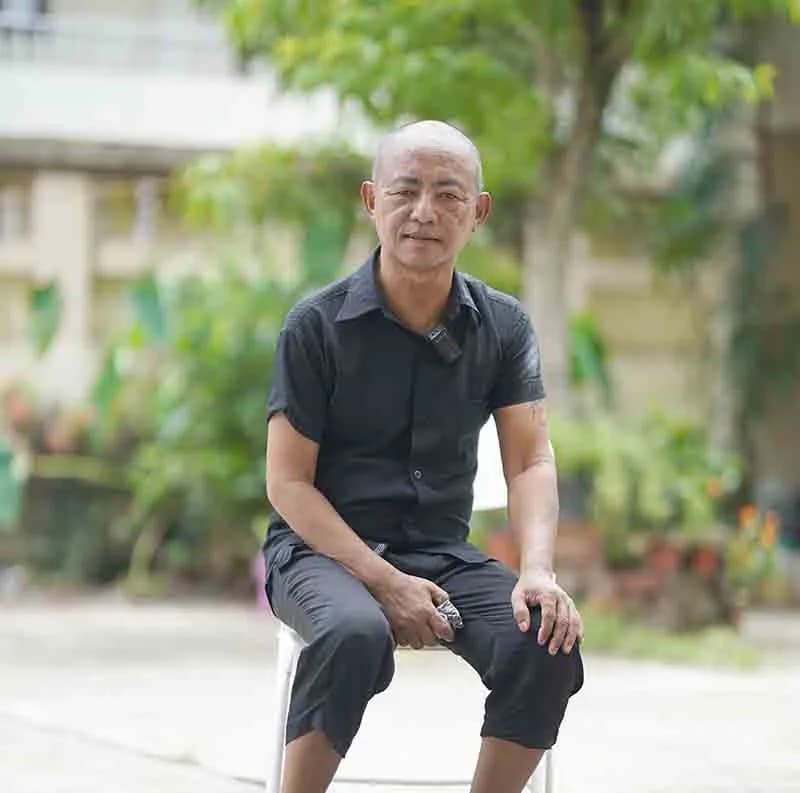
DIMAPUR — Surviving a childhood illness that left him with a lifelong disability, Rongsen Jamir today leads one of Nagaland's prominent organisations for persons with disabilities (PwDs), using his own journey to advocate for accessibility, employment and equal opportunities for thousands across the state.
In an exclusive interview with Eastern Mirror, the president of Exodus Disabled People Organisation—also referred to as Exodus Federation— said that the greatest challenges faced by PwDs are not their impairments, but the barriers created by inaccessible infrastructure, limited livelihood opportunities and persistent social stigma.
"What we want is not sympathy. We want respect and opportunity," Jamir said, stressing that inclusion begins with recognising the abilities of PwDs rather than their limitations.
His message comes at a time when disability rights advocates say thousands of PwDs in Nagaland continue to struggle with accessing government entitlements, education, employment and public spaces. According to figures cited by the Nagaland State Disability Forum, the state has 29,361 PwDs, many of whom still face physical, social and economic barriers.
For Jamir, the mission is deeply personal. Born into a financially struggling family in rural Nagaland, he said his childhood was marked by hardship long before illness struck. A prolonged bout of typhoid left him with a permanent disability, changing the course of his life.
"The sickness took everything—my health, my time. It left my family struggling even more than before," he recalled.
Also read: Where cure ends, care begins: Inside Chümoukedima's palliative haven
Rather than allowing the disability to define him, Jamir said he gradually rebuilt his life, supporting his family and later dedicating himself to advocating for others facing similar challenges.
Today, the Exodus Disabled People Organisation works closely with the Office of the State Commissioner for Persons with Disabilities, the department of Social Welfare and other civil society organisations to promote the rights and welfare of PwDs across Nagaland.
Under Jamir's leadership, the organisation has prioritised ensuring access to Unique Disability ID (UDID) cards, scholarships, pensions and assistive devices, while also pushing for skill development, livelihood opportunities and greater accessibility in schools, public buildings and transport systems.
He has consistently urged authorities and community organisations to view persons with disabilities as contributors to society rather than recipients of charity. "An ID card is not just a card. Skill training is not just training. It is dignity. It is a chance to say, 'I can also contribute,'" he said.
According to Jamir, churches, educational institutions and community bodies also have a vital role in creating a more inclusive society by breaking stereotypes and ensuring that PwDs are not excluded from everyday life.
From a young boy whose future was nearly derailed by illness to a disability rights advocate working to shape a more inclusive Nagaland, Jamir believes lasting change will come only when opportunity replaces sympathy. "Every person deserves a chance to live with dignity," he said.