


Zunheboto Forest Division proposes Community Social Responsibility framework, with Green Campus pilot promoting volunteerism and sustainable community development district-wide
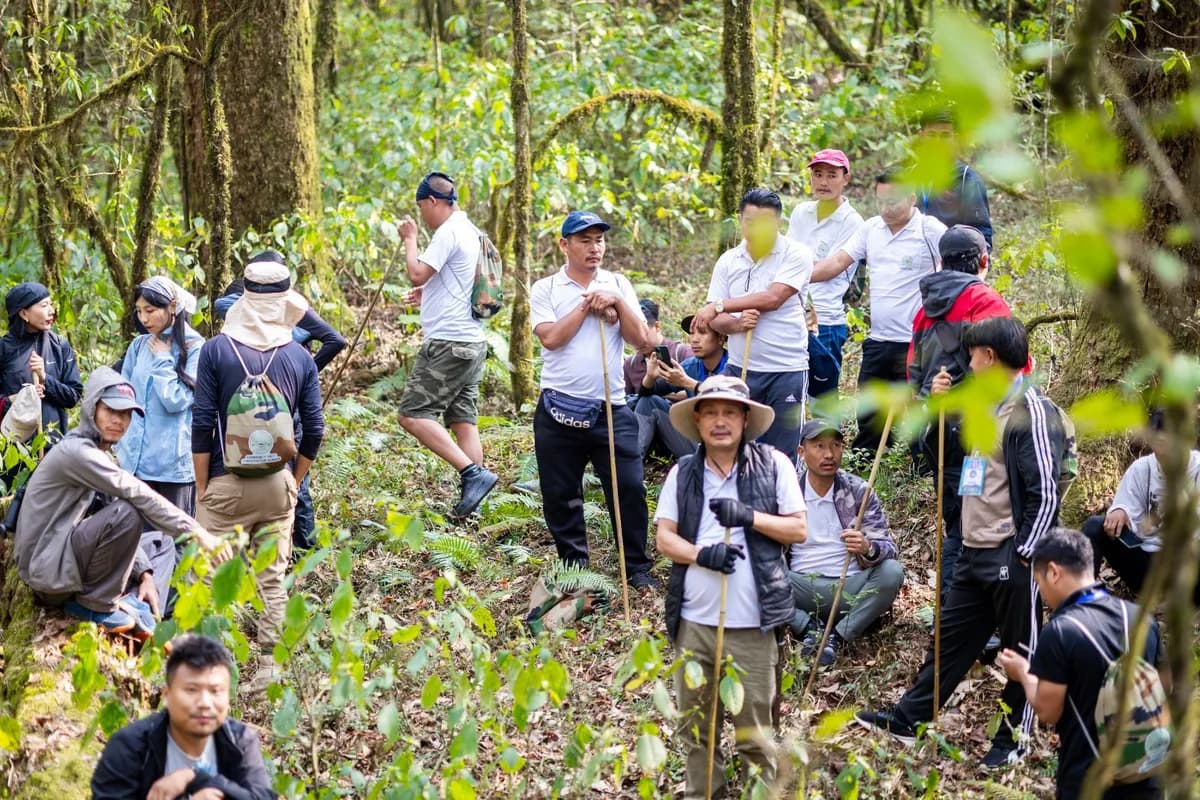
Forest Division seeks DPDB endorsement for Community Social Responsibility framework; Green Campus to serve as pilot
DIMAPUR — Borrowing a page from Corporate Social Responsibility but shifting the focus from corporations to communities, the Zunheboto Forest Division has proposed a Community Social Responsibility (ComSR) framework to make volunteerism and shared responsibility central to sustainable development.
The proposal, submitted for endorsement by the District Planning and Development Board (DPDB), seeks to establish ComSR as a voluntary, district-wide framework that complements government programmes by encouraging citizens, educational institutions, village councils, civil society organisations, businesses and government departments to contribute their time, skills and resources towards community development.
Conceptualised and launched by the Zunheboto Forest Division during the inaugural Satoi Connect Fest in March this year, the model is built around the philosophy of ‘We Before Me’ and encourages people to ask, "What can I contribute to my community?" rather than "What can my community do for me?"
Read: 49 killed in hydro-meteorological disasters in Nagaland over three years
According to the proposal, endorsement by the DPDB would provide institutional recognition to the framework, encourage wider adoption across government departments and community institutions, strengthen inter-departmental collaboration, promote volunteerism, and foster greater community ownership of development initiatives—all without requiring additional financial commitments or the creation of new administrative structures.
As the first pilot initiative under the proposed framework, the Zunheboto Forest Division, in collaboration with Zunheboto Government College, will launch the Green Campus Initiative on August 12. The programme aims to transform the college into a model of environmental sustainability through green audits, tree plantation, biodiversity conservation, waste segregation, water and energy conservation, reduction of single-use plastics and environmental awareness campaigns.
Beyond creating a greener campus, the initiative seeks to nurture environmental leadership among students and demonstrate a model that could be replicated by educational institutions, villages, government offices and community organisations across the district under the ComSR framework.
The Forest Division clarified that the proposal is not intended to replace existing government programmes or function as a funding mechanism, but rather to institutionalise a culture of volunteerism and collective action where sustainable development is driven by both government initiatives and active community participation.