


AIDA explores Black Soldier Fly larvae to process Dimapur’s organic waste, reduce disposal pressures and create potential livelihood opportunities
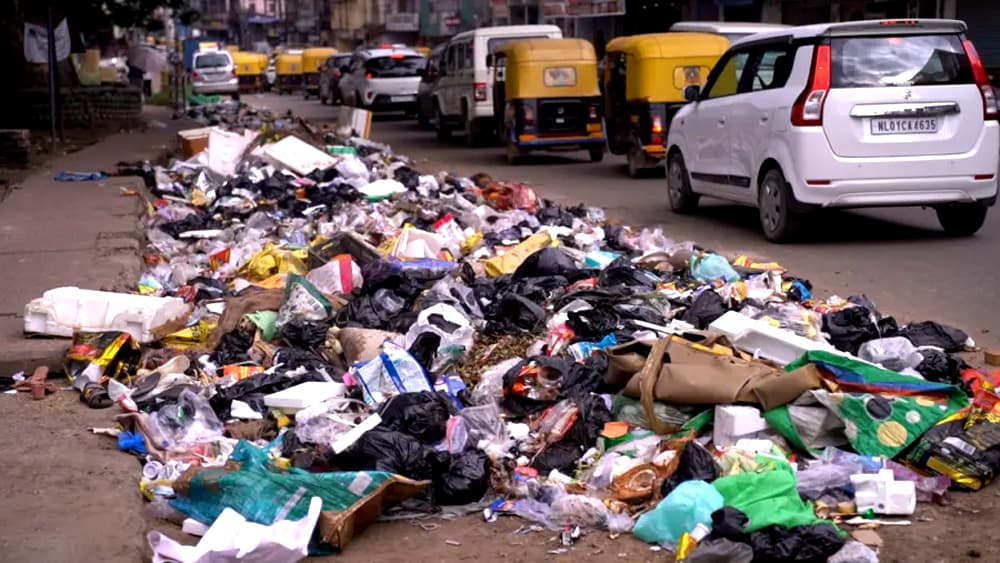
DIMAPUR — Nearly 49 tonnes of organic waste pile up in Dimapur every day. The Dimapur Municipal Council spends close to INR 14 lakh daily managing its waste, yet much of what could be put to use remains mixed with plastic, recyclables and other refuse.
An initiative by the ANMA Integrated Development Association (AIDA) is exploring whether the Black Soldier Fly — or, more precisely, its larvae — can help turn part of that burden into a resource.
The larvae feed on suitable organic waste, converting it into biomass that can be processed for use in animal feed, subject to safety requirements. The residue may also be used in agriculture after appropriate treatment and assessment.
The technology was at the centre of a one-day workshop organised by AIDA in collaboration with Germany-based Eclose GmbH under the Waste Insect Nexus for Growth & Sustainability (WINGS) initiative at the AIDA campus in Dimapur on Thursday.
At the event, Adrian M Mahung, waste management consultant to the Dimapur Municipal Council (DMC), highlighted the scale of challenge the municipal body faces daily.
Dimapur generates around 101.6 metric tonnes of waste a day, including about 49 tonnes of organic waste, he said. When different types of waste are mixed, treatment becomes more difficult and costly, while recyclable materials are harder to recover.
Also read: Nagaland processes just 25% of daily solid waste — Government report
He suggested that separating kitchen waste from recyclables and other refuse at the household level would help reduce the burden on the municipal waste management system.
A pilot project in Ward 15 has been testing this approach: wet waste is collected separately, while a designated scrap dealer buys recyclable materials; the DMC collects the remaining waste that households cannot manage themselves.
Four months into the pilot, the system has achieved an estimated efficiency of 95%, according to Mahung. The main problem has been occasional missed collections, leaving some households to store their waste for another day.
On the use of Black Soldier Fly technology, Mahung favoured smaller, decentralised facilities over a single large unit. Neighbourhood-level operations, he said, would make it easier to involve residents and work with the municipal council.
AIDA executive director Rev. Fr. Dr. Roy George said waste from households, markets and other sources was putting increasing pressure on disposal systems. Biodegradable waste, he said, should be seen as a resource that could be recovered and reused rather than simply thrown away, with potential environmental and livelihood benefits.
Read more: How Kuda village is rethinking waste management through sustainable community-led initiatives
According to AIDA, it has established six Black Soldier Fly facility centres across Arunachal Pradesh, Nagaland, Manipur and Assam. Through the WINGS initiative, the organisation hopes to demonstrate the technology's potential and encourage its adoption by communities, farmers and institutions.
Deputy Commissioner of Dimapur Tinojongshi Chang, who attended the workshop as chief guest, urged AIDA to take the initiative beyond government departments and institutions and introduce it at the grassroots level.
He called on the Agriculture and Allied departments and municipal authorities to share the knowledge gained at the workshop and explore the possibility of extending the initiative to other districts.
Stefan Diener, co-founder and chief executive officer of Eclose GmbH, shared the company's experience of promoting Black Soldier Fly technology in Africa and parts of Asia. He said the approach offered a way to manage organic waste while creating opportunities for local communities.
The workshop featured a presentation on the WINGS initiative and a visit to the Black Soldier Fly facility at AIDA's Dimapur campus, where participants were shown how the technology works in practice.