
Educator Atoka Chophi shares insights on private tutoring as a career path and the growth of concept-based learning in Nagaland.
Share


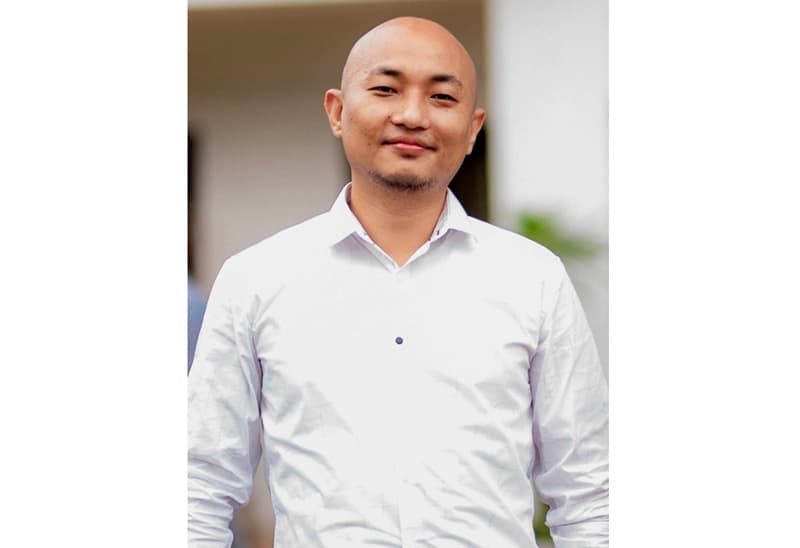
DIMAPUR — Rooted in a belief that quality education can transform lives when concepts are taught with clarity and purpose, Atoka Chophi has built his work around teaching and concept-based learning.
He holds a Diploma in Agricultural Engineering, a B.Tech in Food Technology, and an M.Tech in Food Technology. His journey in academia includes serving as a guest lecturer for three years at Nagaland University (Department of Agricultural Engineering) and later as an assistant professor (Department of Agriculture) for one year at RIMT University, Punjab.
In September 2021 Chophi founded H&Z Nexus (formerly H&Z Coaching Center) in Chümoukedima, a tuition centre aimed at bridging learning gaps at the school level. The centre offers courses in classes 9 and 10 Mathematics and Science (NBSE and CBSE), along with Numerical Aptitude, Logical Reasoning, and Mental Ability for competitive examinations.

He notes that many children are unable to attain minimum proficiency levels in Mathematics and Science despite attending school, with basic foundations in numeracy and literacy remaining weak—gaps that can later create barriers to employment.
According to Chophi, private tutoring complements formal schooling by providing personalised attention, flexible pacing, and focused mentoring, helping students build confidence and strong academic foundations. Beyond classroom teaching, Chophi provides career guidance across schools, colleges, training institutes, churches, and student organisations.
Also read from series: Seema Debnath on Plunging into Content Feeds With a Safety Net
He works closely with his wife, a private school teacher with eight years of classroom experience, whose support has been central to his professional journey. Together, they manage H&Z Nexus, combining teaching, mentoring, and academic planning to maintain consistency, discipline, and individual attention for students.
In this interview with Eastern Mirror, Chophi shares insights on approaching private tutoring as a career path.
Please tell us about the tuition/coaching centre that you manage.
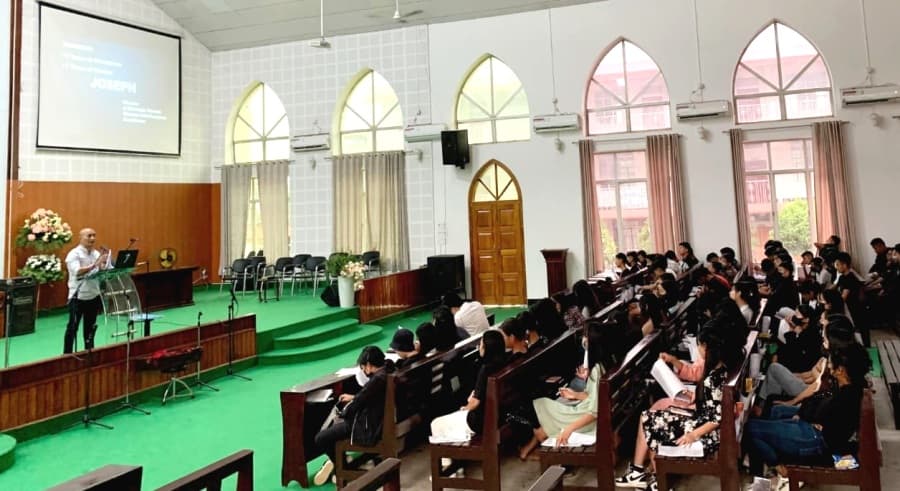
H&Z Nexus is an educational initiative established in September 2021 with the vision of “Bridging Knowledge to New Horizons”. I personally design, teach, assess, and mentor students, ensuring individual attention and consistency. The centre offers coaching to students of classes 9 and 10 Mathematics and Science, along with Numerical Aptitude, Logical Reasoning, and Mental Ability for competitive examinations.
Being solo-managed allows flexibility, close monitoring of student progress, and strong accountability. The focus is not just exam preparation but building concepts, confidence, and problem-solving skills. Growth has largely come through results and word-of-mouth trust from parents and students.
How is private tutoring different from formal school teaching?
Private tutoring differs from formal school teaching mainly in its personalised approach. While schools follow a fixed syllabus and pace for large classrooms, private tutoring allows instruction to be tailored to each student’s strengths and weaknesses. It provides flexibility in teaching methods, revision time, and doubt-clearing sessions. Tutors can focus deeply on concepts, exam strategies, and skill development, which is often difficult in formal settings due to time constraints.
In Nagaland, why do you think private tuition has become an important support system for students?
Private tuition has become an important support system in Nagaland due to several educational challenges. Many schools face large class sizes, limited subject-specialist teachers, irregular academic schedules, and gaps in syllabus completion. Students preparing for board exams and competitive tests often need extra guidance beyond classroom teaching. Private tuition provides personalised attention, a flexible learning pace, and focused exam preparation.
Parents also feel more confident when their children receive individual mentoring and regular monitoring. In rural and semi-urban areas, tuition centres often bridge the quality gap between schools. Additionally, increasing academic competition and awareness among parents have made private tuition a trusted supplement to formal education rather than a replacement.
What academic or professional qualifications are essential for someone who wants to become a private tutor or coaching centre owner?
To become a private tutor or coaching centre owner, strong subject knowledge is essential. A graduate or postgraduate degree in the relevant subject adds credibility, while professional teaching qualifications like B.Ed or D.El.Ed are helpful but not always mandatory. Competitive exam experience, certifications, or proven academic results can also strengthen trust.
For coaching centre owners, basic knowledge of education management, curriculum planning, and legal requirements such as registration is useful. However, qualifications alone do not ensure success. Continuous learning, updating subject knowledge, and understanding student needs matter more. Many successful tutors grow through experience, results, and reputation rather than formal degrees alone.
Beyond degrees, what skills make a tutor truly effective and trusted by students and parents?
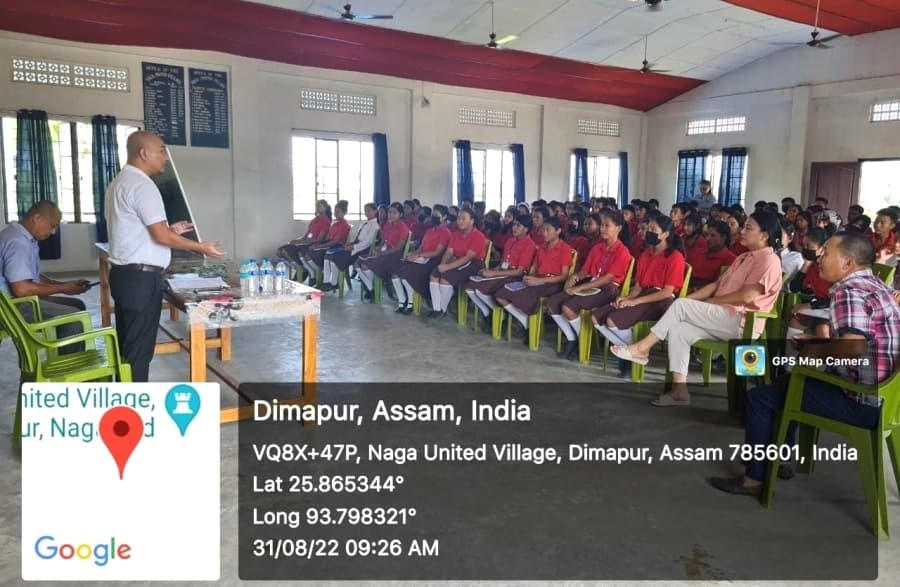
Beyond academic qualifications, personal and professional skills define an effective tutor. Clear communication, patience, empathy, and the ability to explain complex concepts simply are crucial. Good tutors understand different learning styles and adapt their methods accordingly. Discipline, punctuality, consistency, and ethical behaviour build trust among parents and students. Classroom management, motivational skills, and emotional intelligence help students stay confident and focused. Listening skills are equally important, as students often struggle silently.
A tutor’s attitude, dedication, and honesty influence long-term success more than certificates. When students feel respected, encouraged, and supported, learning outcomes improve and trust grows naturally.
Can private tutoring be a full-time and financially sustainable career for young people today?
Yes, private tutoring can be a full-time and financially sustainable career for young people today. With quality teaching, consistent results, and a strong reputation, tutors can earn a stable income. Demand for personalised education is increasing, especially for board exams, entrance tests, and skill-based learning. Many tutors expand from one-to-one sessions to group classes, online teaching, or full coaching centres.
However, success requires discipline, patience, and long-term commitment. Income may be slow initially, but it grows with experience and referrals. Tutors who maintain ethics, focus on outcomes, and adapt to changing education trends can build a respected and sustainable profession.
How can young educators start small—perhaps even from home—and gradually build trust and credibility?
Young educators can start small by teaching from home or offering limited group classes. Initially, the focus should be on quality teaching rather than profit. Maintaining proper lesson plans, regular assessments, and clear communication with parents helps build trust. Sharing student progress reports and being transparent about strengths and weaknesses improves credibility. Word-of-mouth recommendations play a major role in growth.
Using simple tools like notebooks, test records, and feedback forms creates professionalism. Gradually, as results improve and confidence grows, tutors can expand their student base. Consistency, honesty, and genuine concern for student learning are the strongest foundations for long-term credibility.
For a student who loves teaching, how early can they start preparing for a career in education or tutoring?
Students who love teaching can begin preparing very early—during school or college years. Helping classmates, tutoring juniors, or volunteering in study groups builds confidence and communication skills. Developing strong subject foundations, reading widely, and observing good teachers are valuable steps. Participating in debates, presentations, and academic discussions improves clarity and confidence.
Learning basic teaching methods and child psychology also helps. Early exposure allows students to understand whether teaching suits them as a career. With time, they can pursue relevant degrees, certifications, or online courses. Starting early builds passion, patience, and practical experience essential for a successful career in education.
What mistakes do first-time tutors often make, and how can students avoid them if they choose this path?
First-time tutors often make mistakes such as over-promising results, copying others’ teaching styles, or lacking proper planning. Poor time management, irregular classes, and unclear communication with parents reduce trust. Some focus only on income rather than student learning, which affects long-term growth. Others neglect assessments and feedback, making it hard to track progress.
To avoid these mistakes, beginners should plan lessons carefully, set realistic expectations, and maintain discipline. Continuous self-improvement, accepting feedback, and learning from experience are essential.
Do you see AI as a threat or a support system for teachers and tutors? Why?
AI should be seen as a support system rather than a threat to teachers and tutors. It can help with lesson planning, practice questions, personalised learning, and doubt clarification. AI tools save time and improve efficiency but cannot replace human guidance, emotional understanding, and moral values. Teachers play a vital role in mentoring, motivating, and shaping character—areas where AI cannot substitute human connection.
What business skills—like marketing, communication, or finance—are important for running a successful tuition centre?
Running a successful tuition centre requires basic business skills alongside teaching ability. Marketing skills help attract students through word-of-mouth, social media, and local promotion. Communication skills are essential for dealing with parents, students, and staff. Financial management, including fee structure, budgeting, and expense control, ensures sustainability. Time management, record keeping, and professionalism build credibility. Understanding local regulations and maintaining ethical practices are equally important. Tutors who treat tuition as both an educational service and a responsible business are more likely to succeed.
How do you see the future of private tutoring evolving in the next 10 years?
The future of private tutoring will likely become more personalised, technology-driven, and skill-orientated. Online and hybrid learning models will expand access beyond local boundaries. AI tools will assist learning, but human tutors will remain essential for guidance and motivation. Demand for competitive exams, career skills, and customised learning will increase. Tutors who adapt to technology, maintain ethics, and focus on holistic development will thrive. Small home-based tuition centres may grow into professional institutions. Lifelong learning and flexibility will define success.
Overall, private tutoring will continue evolving as a strong support system within the education ecosystem.
RAPID INSIGHTS
One app every educator should know?
Google Classroom, because it helps manage assignments, communication, feedback, and organisation efficiently for both online and offline teaching.
Online teaching or offline classrooms?
Both are important—offline teaching builds discipline and human connection, while online teaching expands reach, flexibility, and access beyond location.
The most common excuse students give?
“I didn’t understand” and “I forgot”, which often hide lack of revision, time management, or focus rather than genuine difficulty.