


Theja Rio discusses Angh, his journey from rap to filmmaking, non-actors, Nagaland cinema and taking Naga stories worldwide
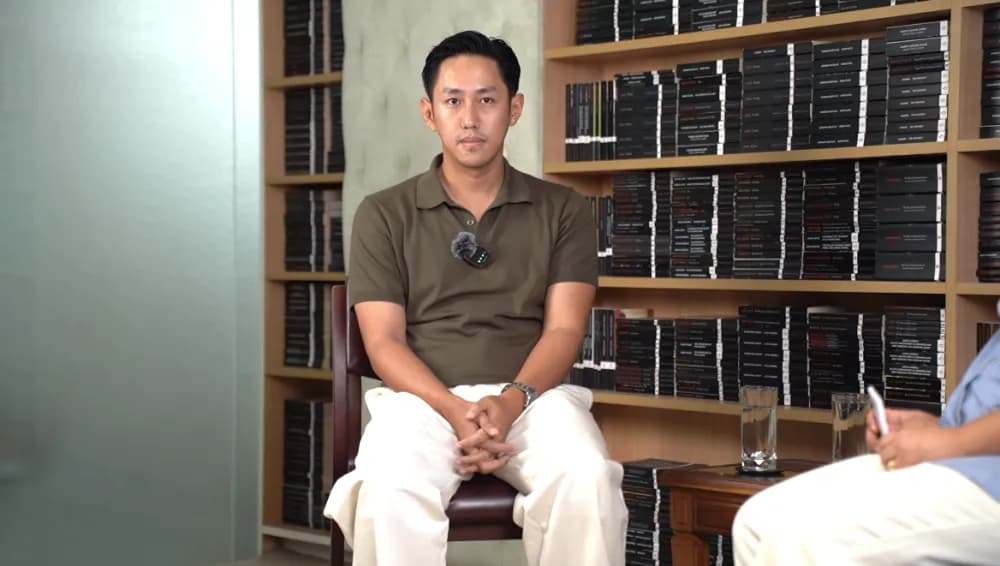
DIMAPUR — What began with childhood memories of watching people of Kohima—faces and stories that still find their way into his frames—and a fascination with The Lord of the Rings: The Return of the King, the film that first made him dream of becoming a filmmaker, has now taken 31-year-old Theja Rio to the global stage.
His debut feature, Angh, produced by Nancy Nisa Beso, made with non-actors from Mon and village sets built near Chümoukedima and Kohima, scripted history by winning the Platform Prize at the Toronto International Film Festival (TIFF) 2026—the first Indian film to do so. It is now in the race for Best International Feature Film at the 2027 Academy Awards, popularly known as the Oscars.
From felicitations in Delhi to a warm reception at Dimapur Airport and in Kohima by the government of Nagaland, the homecoming has been overwhelming for the Naga filmmaker who once nourished dreams of becoming a rapper.
Speaking to Eastern Mirror on Tuesday at The White Owl Book Lounge in Chümoukedima, Rio said the love and support from back home had been most special.
“It’s been very overwhelming. Obviously we make films and we want to take them abroad, but this is a film that is for Nagas, for Nagaland and for the people and is made with the support of the people. So being felicitated here is very important for us,” he said.
From rap verses to film frames
From wanting to be a rapper to filmmaking, Rio said it was his love for writing and storytelling that connected the two. Although there was little avenue for rappers when he was growing up, he said the scene has since changed considerably.
Calling himself a “closeted rapper”, Rio said what he liked most about rap was writing—particularly how much could be captured within a verse.
“It’s storytelling. You rhyme and rap is something very cool. In a paragraph you are trying to narrate a story. It was the lyrical aspect of rap that made me fall in love with the art form,” he said.
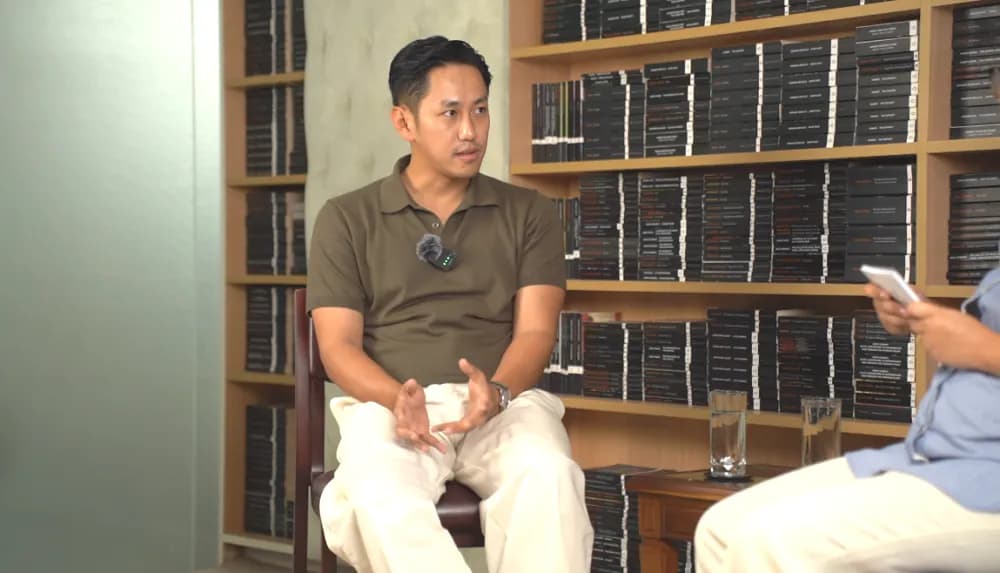
That interest in storytelling eventually found another form through filmmaking.
Angh was shot in Thekrüjüma, around 16 km from Medziphema, for almost a month and in Phesama for seven days. Rio said shooting in Mon would have made sense given that the Konyak cast was from the district, particularly in terms of landscape and setting. But with a crew and cast of around 150 people and equipment coming from Mumbai and Delhi, it was more practical to accommodate everyone around Dimapur and Kohima.
“Everything becomes more expensive when you travel further away from the cities, so we chose to build the villages here,” he said.
Rio had been travelling to Mon for research since 2016 and said the district administration, including the then deputy commissioner, had been cooperative during the research and recce phase when NOCs were required for movement.
Non-actors as co-creators
Much of Angh’s character comes from its cast, with non-actors drawn from the community in Mon itself. For Rio, they were never merely people in front of the camera but co-creators who reshaped the film.
Many brought their own lived experiences, understanding of the characters and cultural backgrounds to the set. Once they became comfortable in their roles, scenes began to evolve through improvisation, with some of those unscripted moments making it into the final cut.
The transition was not always easy. A two-week workshop with actor and casting director Bendang Walling was followed by scene work and dialogue practice with Rio. Initially, the presence of the camera and a Bollywood-influenced idea of acting sometimes resulted in melodrama.
The workshop, he said, was about emptying those notions and rebuilding from scratch.
Rio said he wants to continue telling stories rooted in Nagaland while also exploring projects outside the state. “I have a few projects lined up that are also set in Nagaland and rooted in Nagaland. But at the same time, I don't know about commercial cinema as in high-budget blockbusters. I definitely have ambitions of making films abroad or in mainland India,” he said.
While he wants to collaborate with people in Indian cinema, Rio said he was unsure whether he was “tailor-made” for the structures and norms of Bollywood.
WATCH MORE:
He described Nagaland’s film industry as still being at a very early stage, while acknowledging filmmakers who had been trying to build it before him.
“Maybe I was a bit arrogant by saying it’s non-existent. There are filmmakers who came before me—whether you've heard of them or not—who are trying to make things happen,” he said.
For Rio, the biggest hurdles remain funding, audience, equipment and resources. Without an established audience or industry to support them, aspiring filmmakers and their families can be hesitant about treating filmmaking as a career.
He said state and central schemes and grants already exist but need to reach more people. He also pointed to the pool of talent in the state, saying he had worked with many talented filmmakers while making Angh.
From one film to a wider ecosystem
With the state and the Northeast celebrating Angh’s historic win, Rio said his focus now is on ensuring the moment translates into opportunities. He is trying to set up meetings with potential investors and is exploring ways to support younger filmmakers through short films and mentoring projects.
“It is a win for me and everyone who made the film. But the ultimate win we want is to create a foundation for the industry here. Our industry has been asleep for a very long time. Other Northeastern states have been doing well, but we are on the brink because there are a lot of filmmakers waiting to be given an opportunity,” he said.
He is wary, however, of the idea of Northeast filmmakers coming together under a single label, arguing that the region’s cultural diversity could be diluted by such an umbrella. “We should support each other's cinema,” he said, while backing crossovers and collaborations.
To aspiring filmmakers, Rio’s advice is to stay rooted. “There are so many unique, beautiful stories. If you are courageous enough to stick to that, there is a world out there, an audience out there keen to watch it,” he said.
Rio said he seeks continued support and prayers for Angh’s Oscar campaign. “For a very long time, we have been yearning to have our stories and history heard and with Angh, it feels like that is happening. We are feeling represented,” he said.
As for when audiences in India can watch the film, Rio said a theatrical release is being considered around February-March next year, although the timing will depend on the Oscar campaign. The release plans remain tentative, with an eventual theatrical run in Nagaland also expected, followed by a possible OTT release.