


Albert Kanken Odyuo and Khristin Kimeri share insights on music education, training and careers.
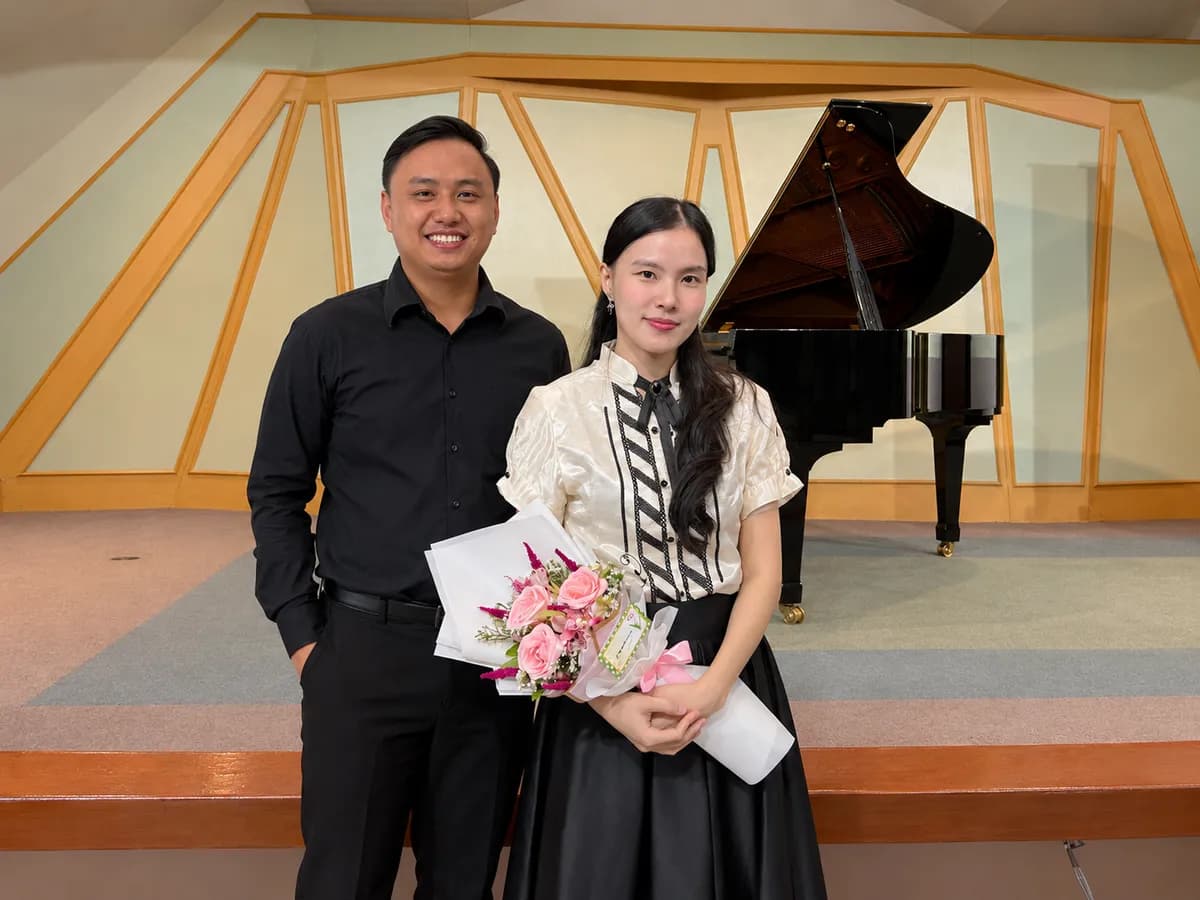
DIMAPUR — For Albert Kanken Odyuo and Khristin Kimeri, their journeys in music began through an early connection with the Church, the piano, and a growing desire to use music in service of others. While their paths towards careers in music took different turns, both eventually found their calling in teaching and nurturing aspiring musicians.
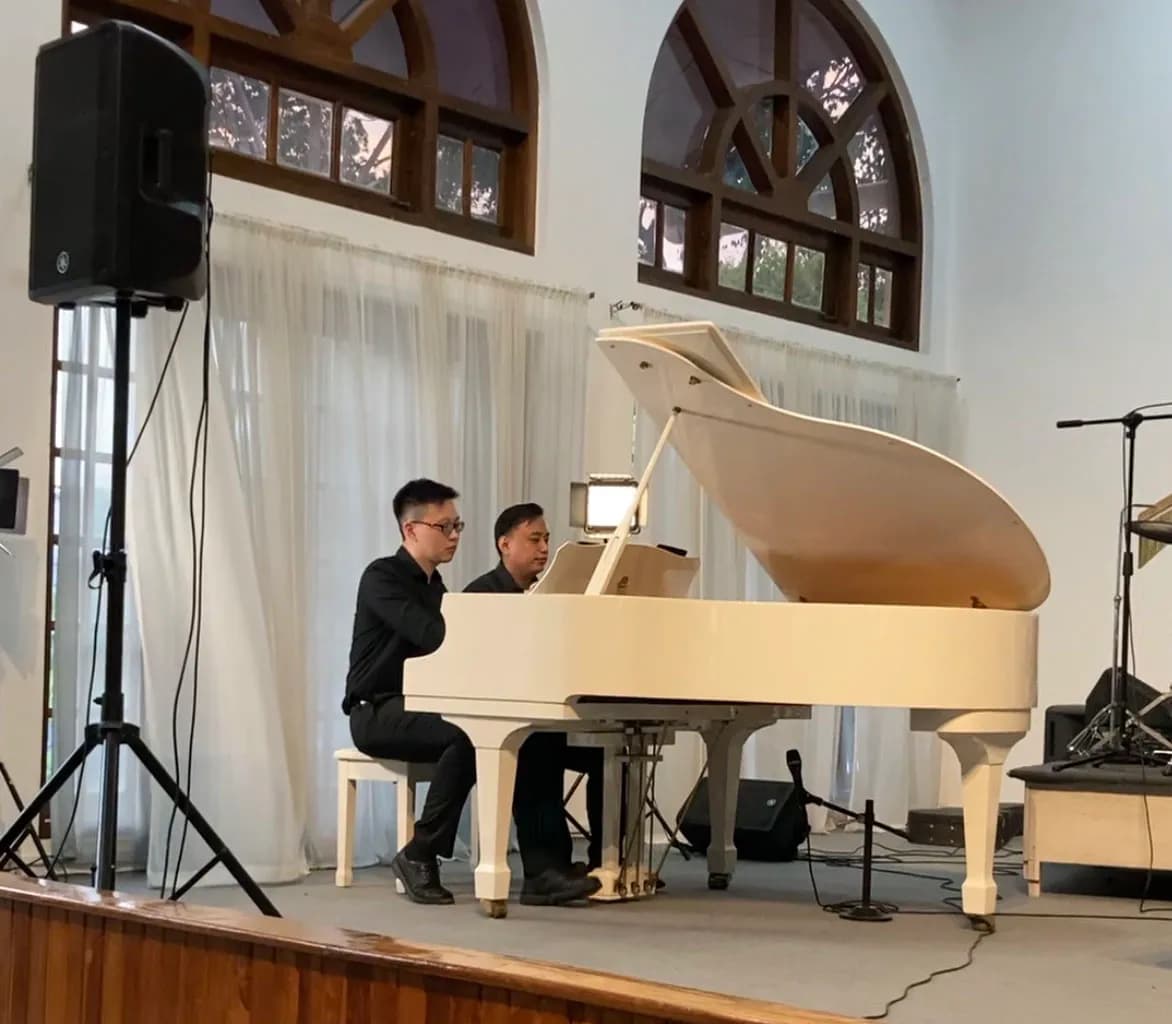
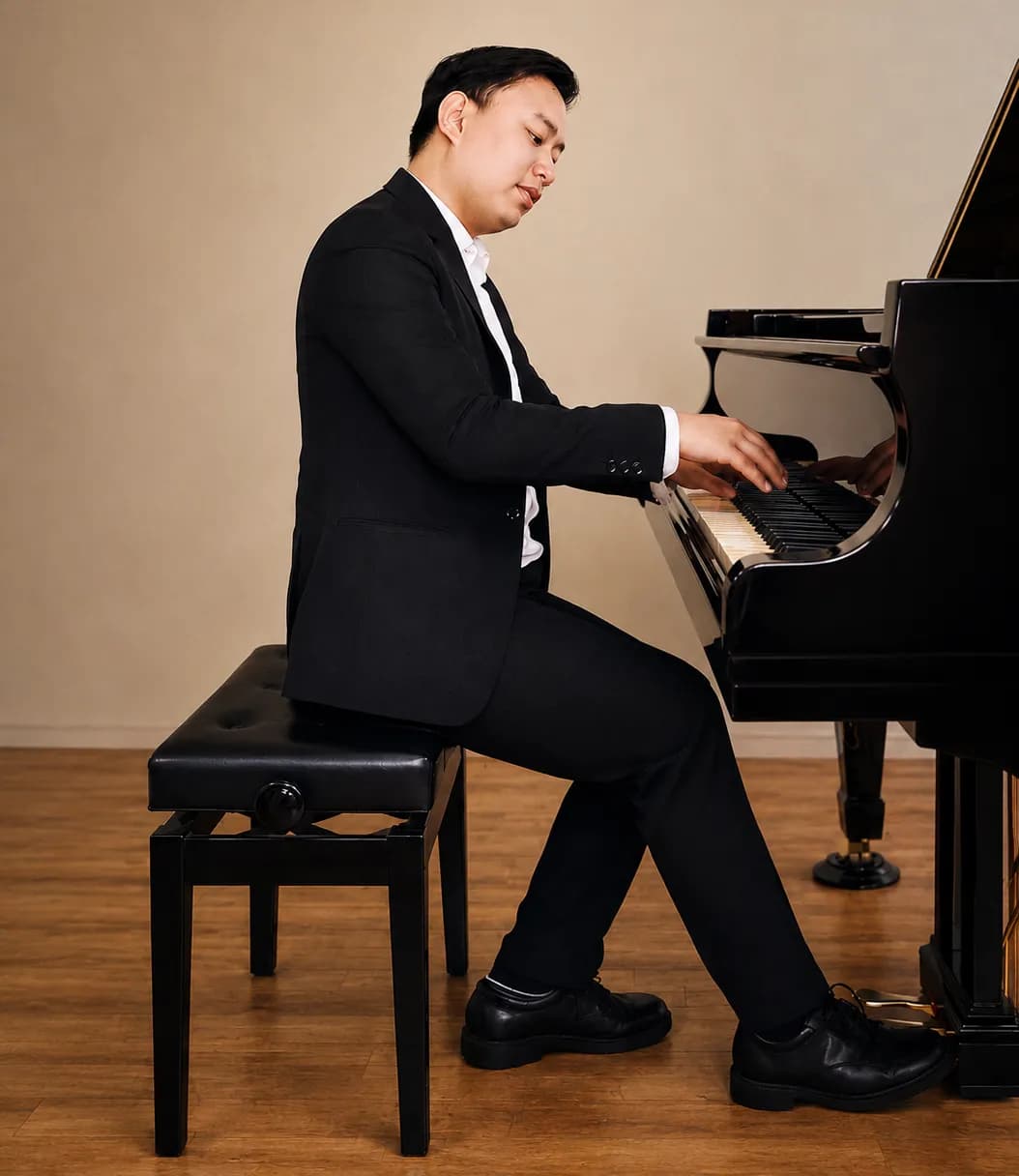
Odyuo, Academic Dean (Church Music) at Golden Crown Theological College (GCTC), is a church music educator and pianist with four years of intensive education in Piano Performance from Singapore Bible College and a Bachelor’s degree in Economics.
Over time, he came to see music not simply as a profession but as a calling through which he could serve God, lead others in worship, and proclaim and praise His name.
For Kimeri, the journey towards a career in music was not entirely straightforward. Music had been an integral part of her life from an early age. She grew up watching her father lead worship services and choirs, began learning the piano from her older sister, and was encouraged by her two older brothers.
Although she chose to study engineering because she wanted to explore a different path, returning home helped her realise how deeply connected she remained to music and ministry. She began teaching piano, mainly to adults who wanted to serve in their churches. As her passion for teaching grew, she decided to equip herself more fully by pursuing master’s studies in piano pedagogy.
Today, Kimeri teaches aspiring church musicians as well as children who find joy in music. Through her experience, Kimeri hopes to remind young people that a career does not always unfold in a straight line and that exploring a different field can sometimes help them recognise where their abilities, passion, and sense of purpose truly belong.
In this interview with Eastern Mirror, Odyuo and Kimeri share their approaches to nurturing aspiring musicians and offer insights into pursuing music as a career.
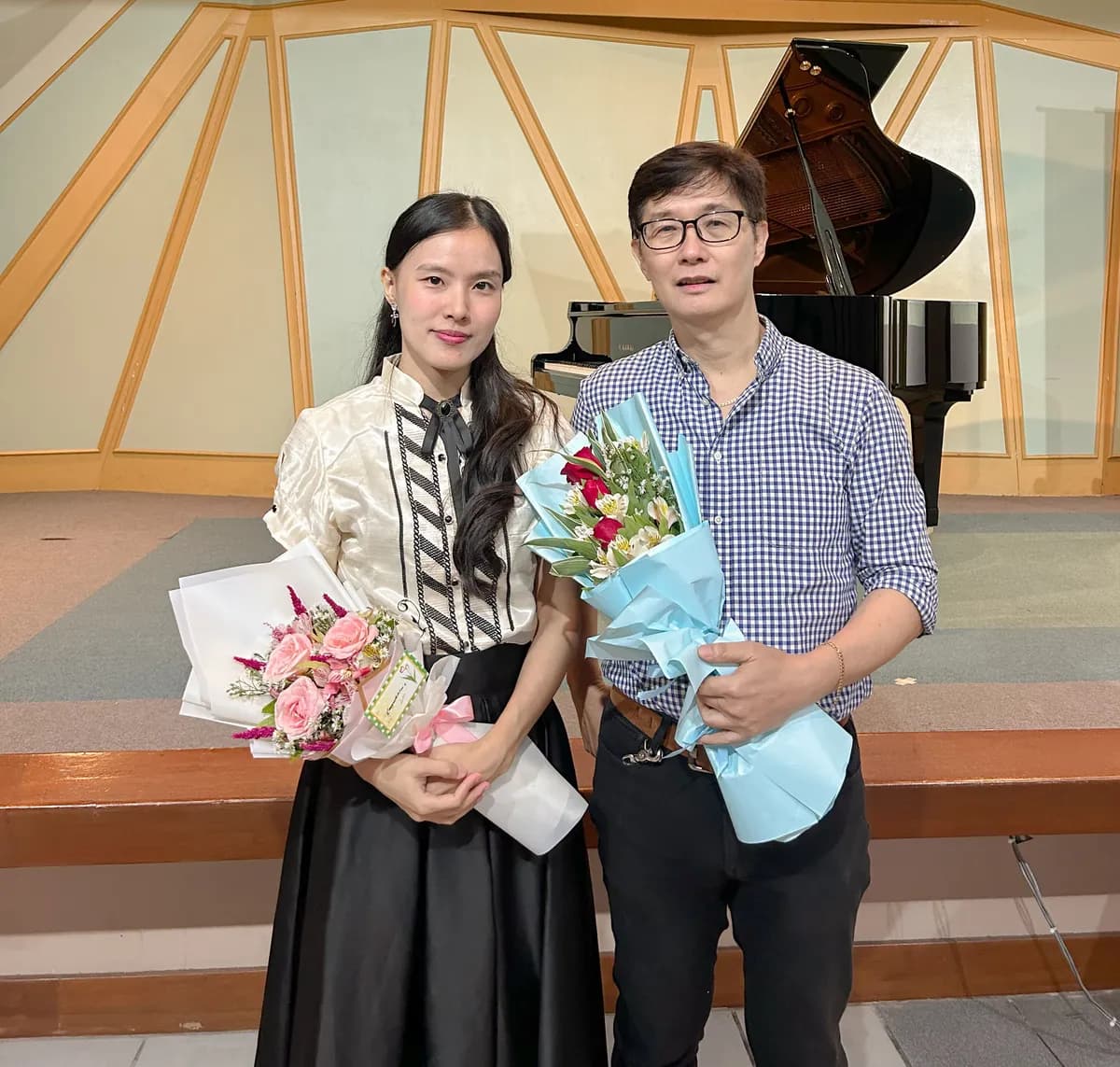
This is the first of a two-part series featuring four siblings and their journeys in music. This week features Albert Kanken Odyuo and Khristin Kimeri, with Avoni Odyuo and Benry Moses to follow in the next edition of the Education page.
How did music become such an important part of your family life?
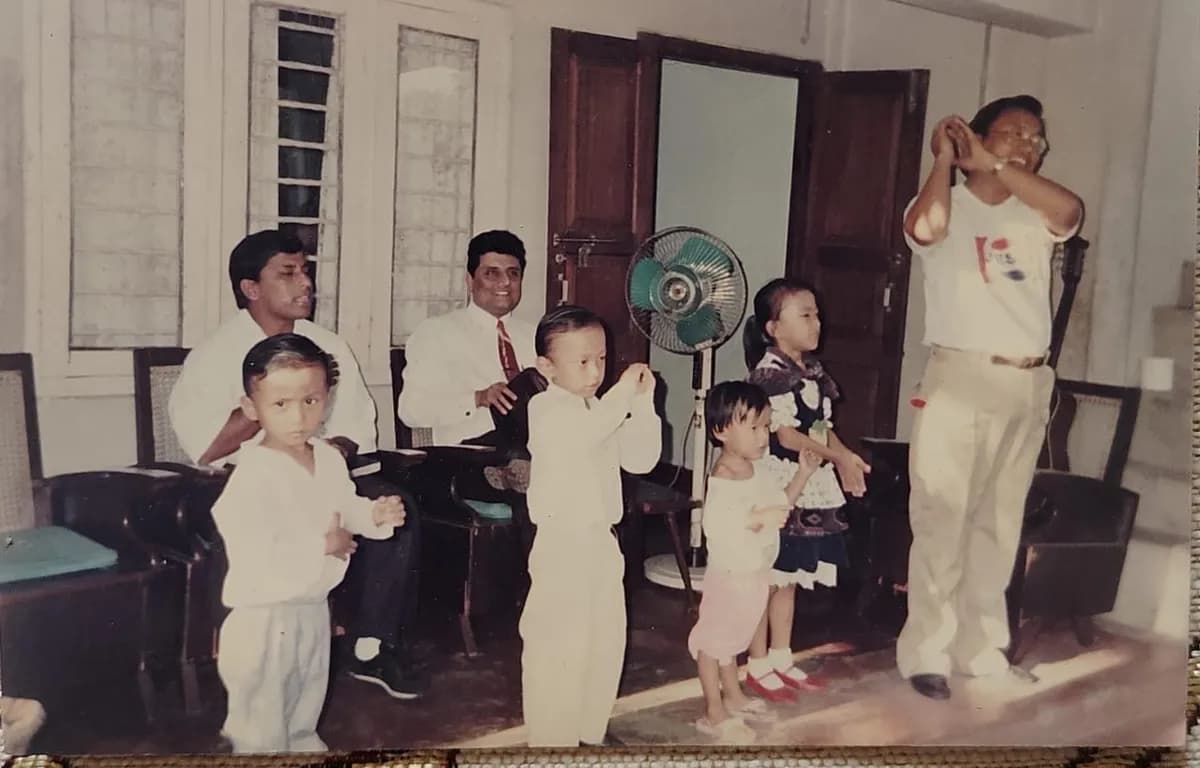
Odyuo: Music was a natural part of our family life. We grew up singing, playing instruments and being actively involved in church and community life. Although my siblings and I have taken different paths, music has always connected us.
For me, it gradually became more than a passion—it became a calling and a way to serve God and others while helping young people discover and develop their own gifts.
Music is a very broad field. What are some of the different areas students can explore, and how can they discover which one is right for them?
Odyuo: Music offers many paths—performance, composition, conducting, teaching, production, technology, church music, worship, sound engineering, accompaniment and even entrepreneurship.
Try different things—sing in a choir, learn an instrument, listen widely, arrange music and work with other musicians.
Kimeri: Music offers a wide range of styles and careers, from worship, contemporary, classical, folk and traditional music to performance, teaching, composition, conducting, production, sound engineering, music therapy and arts administration.
The best way to find the right path is to explore. Join a choir or band, play in a worship team, compose, arrange, record, teach a beginner, and speak with teachers and professionals. Students do not need to decide too early or limit themselves to one area, as many musicians combine different roles. Over time, their direction becomes clearer as they discover what interests them, the skills they want to develop, and how they want their music to serve others.
How much of becoming a good musician is natural talent, and how much comes from training, practice and discipline?
Odyuo: Talent helps, but it is only a starting point. I have seen naturally gifted students struggle because they lacked discipline, while others who started with less ability improved greatly through consistent practice and a willingness to learn.
I believe good musicians are shaped by training, discipline, perseverance and opportunity, not talent alone. With the right guidance and commitment, many musical abilities can be developed.
How important is formal music education? What can a degree or structured programme offer that learning independently may not?
Kimeri: Formal music education can be very valuable, though it is not the only way to become a good musician. Independent learning encourages curiosity and self-discipline, but students may struggle to recognise their weaknesses or know what to study next.
One of the greatest benefits of formal training is mentorship. An experienced teacher can identify problems, correct technique, offer immediate guidance and demonstrate how to practise, interpret music and prepare for performance. A structured programme also provides a clear learning path, regular feedback, performance opportunities and exposure to areas such as theory, history, composition, pedagogy, ensemble work and music technology.
Formal study also creates a community where students learn from other musicians and can provide recognised qualifications and professional connections. However, a degree cannot replace curiosity, discipline or regular practice. I believe the strongest musicians combine structured guidance with continued independent learning.
What should students consider when choosing a music school, college, conservatory, course, or teacher?
Kimeri: The right choice depends on what a student wants to study and how they learn best. Rather than judging an institution by its overall reputation, I would look at the strength of the specific programme. A school known for Western classical performance, for instance, may not be the best fit for someone interested in worship music, jazz, production, composition or pedagogy.
Students should consider the curriculum, teachers, performance opportunities, facilities and where former students have gone on to work or study. When choosing a teacher, look beyond qualifications to someone whose approach aligns with your goals, who can challenge and encourage you, and who can adapt to how you learn.
Cost, location, schedule and scholarships also matter. The most famous or expensive option is not always the best; what matters is finding a programme or teacher that offers strong guidance in the direction you genuinely want to pursue.
For students who do not have access to specialised music schools or expensive private lessons, what are some practical ways to begin building a strong musical foundation?
Odyuo: I would say, start with what you have. I once drew a piano on a piece of cardboard and used it to practise as I didn’t have access to a real piano. As a child, I also listened to a lot of songs and tried to play them by ear. I believe listening and enjoying the process are a big part of learning music.
Today, students have so many opportunities—free music seminars through local churches and music schools, concerts, online lessons and many other resources. My advice is to be inquisitive, take every opportunity to learn, and make the most of whatever is available to you.
Kimeri: Students can build a foundation through books, reliable online resources, choirs, worship teams and local music groups. YouTube can be useful for theory, listening and rhythm exercises, but I would not recommend learning an instrument entirely through prerecorded videos, as poor posture or technique can easily go unnoticed.
If private lessons are unaffordable, group classes, occasional lessons or live online sessions with a qualified teacher are good alternatives. Personal guidance, supplemented by books and online resources, can provide a practical and accessible starting point.

What does an effective practice routine look like, and how can students make their practice productive rather than simply spending long hours with an instrument?
Odyuo: This is something I constantly remind my students about because old practice habits can be difficult to break. Slow practice, listening while you practise, and working on smaller sections are so important. Instead of always starting from the beginning and playing all the way to the end, identify the difficult parts and work on them patiently.
Kimeri: Effective practice begins with a clear purpose. Before I sit at the piano, I decide what I want to improve, whether it is technique, expression or understanding a composer’s style.
I also learnt the importance of good posture and taking regular breaks rather than practising for long stretches. Instead of playing an entire piece repeatedly, I break it into smaller sections, sometimes just four bars, and work carefully on the fingering, rhythm and sound. Each repetition should have a purpose.
Ultimately, productive practice is less about the number of hours and more about knowing what needs attention and working on it thoughtfully.
Many young musicians become discouraged when they compare themselves with others. How can students deal with comparison, mistakes and slow progress?
Odyuo: Comparison often comes from insecurity, and we have to learn to outgrow that mentality. If you must compare, compare yourself with who you were before and ask, “Am I growing compared to where I was?”
The Bible says, “Let us run with perseverance the race marked out for us” (Hebrews 12:1), a reminder that we each have our own race to run. Mistakes are part of learning; what matters is that we learn from them and keep growing. Music is not just about becoming a better performer but also a more patient, confident and humble person.
Kimeri: Comparison can be a double-edged sword: it can inspire growth, but it can also cause discouragement. There will always be someone more skilful or experienced, so students should learn from others while remaining focused on their own development.
Rather than asking, “Am I as good as that person?” ask, “What have I improved since last month, and what would I like to improve next?” Mistakes and slow progress are natural parts of learning. Reflect on what went wrong, recognise small improvements and keep moving forward.
Is it realistic to earn a stable living through music? What should students understand about the financial realities of building a career in this field?
Kimeri: Yes, music can provide a stable living, but stability is built rather than guaranteed. Income may fluctuate, especially at the beginning, and many musicians combine roles such as teaching, performing, accompanying, church music, composing or production.
Financial planning is therefore important. Musicians need to budget, save, price their work fairly and prepare for periods with fewer opportunities. Musical ability matters, but so do discipline, reliability, adaptability and basic business skills. Building a dependable career takes time, patience and professionalism.
What are some common misconceptions about studying music or pursuing it professionally that you would like students and parents to reconsider?
Kimeri: One common misconception, particularly in Nagaland, is that music is only a hobby and cannot become a stable profession. While parents understandably want stability for their children, music can become a serious profession when pursued with proper training, discipline and realistic career planning.
Another misconception is that success in music means performing on stage. Performance is only one aspect of the field; careers can also include teaching, church music, choir direction, composition, arranging, music production, sound engineering, research and music therapy. Many musicians also combine several of these roles.
Not everyone who studies music needs to pursue it professionally, but students who show genuine interest and commitment should be given the opportunity to explore its possibilities as a serious career.
RAPID INSIGHTS
One musician—living or dead—you would love to have dinner with?
Odyuo: I would choose Vladimir Horowitz.
Kimeri: Dmitry Kabalevsky.
The sibling most likely to start singing randomly at home?
Kimeri: My older sister, Avoni, and the random singing is often accompanied by random dancing too!
Your best cure for stage fright?
Kimeri: Good preparation, slow breathing, and reminding myself that the goal is to communicate and enjoy the music, not to perform perfectly.